Kenya is an East African country famed for its picturesque landscapes and numerous wildlife conservation centres. From the most amazing wildlife safaris to the best white sand beaches to diverse land and marine wildlife, Kenya has it all. The people here are as warm as it’s climate and live worry-free, because, Kenya yetu Hakuna matata! (There are no problems in Kenya!).
Why did I choose Kenya?
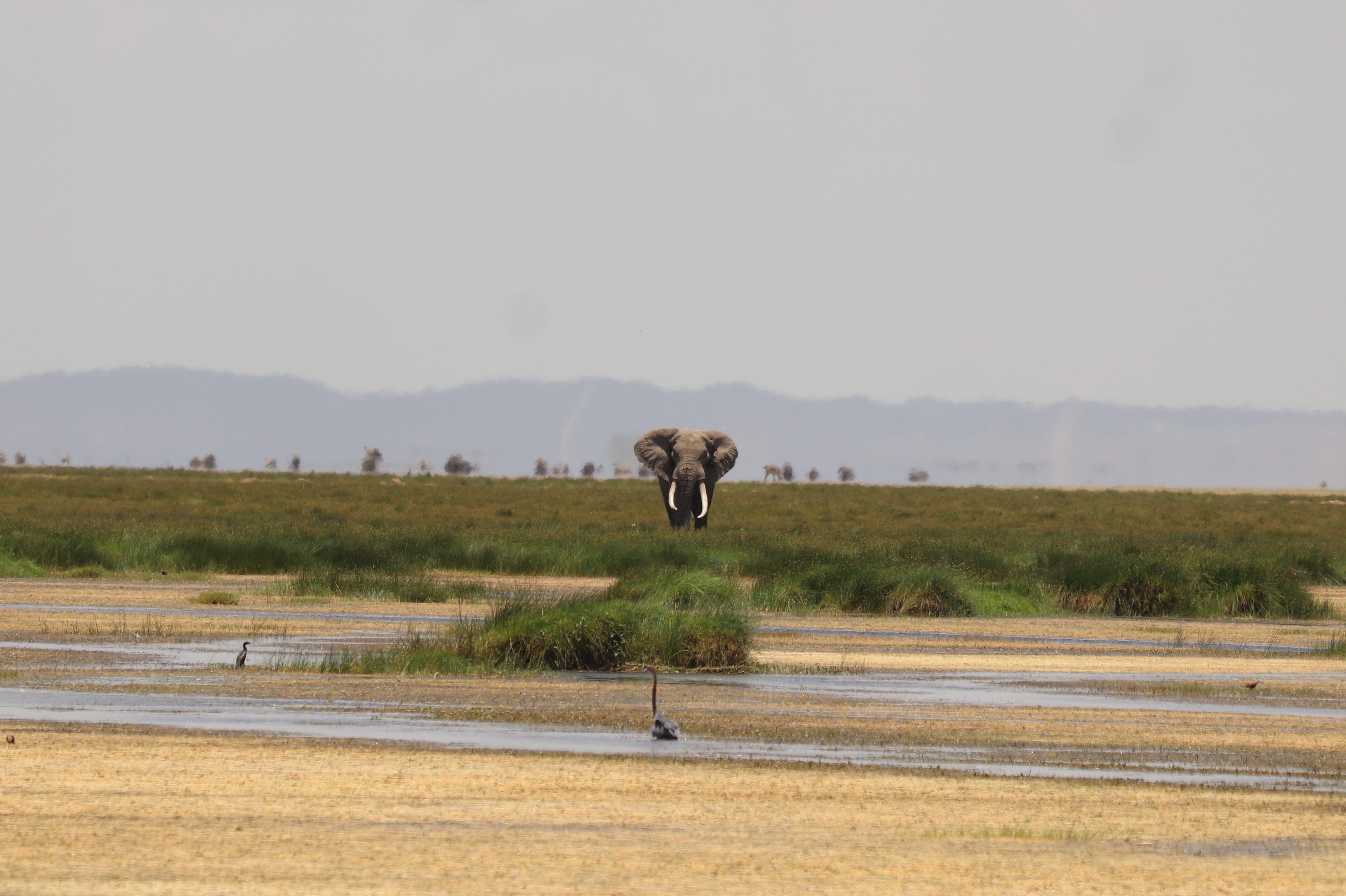
A mighty tusker at Amboseli National Park
I love animals and I’ve always wanted to visit Kenya to stay for a long period of time and volunteer with some wildlife conservation centre, but never imagined going there for a short vacation. I still chose Kenya for a few reasons:
- The nature and wildlife in Kenya were supposed to be (now I can vouch for it) unmatched.
- Kenya is a cheap country to travel to from India.
- And the most important reason – Due to the global pandemic, lots of countries were yet to open up their borders for India. Kenya was open!
Best time to visit Kenya
You can visit Kenya round the year, but the best time for the safaris is the dry season which extends between July and mid-March. The most sought after time to visit Masai Mara is during the wild beast migration which happens from July to October. The parks tend to get super crowded during this period and the safari costs go up significantly. My friend and I traveled to Kenya in March, which is apparently off-season. The perks were that the parks were less crowded and the safaris cheaper. There was no downside!
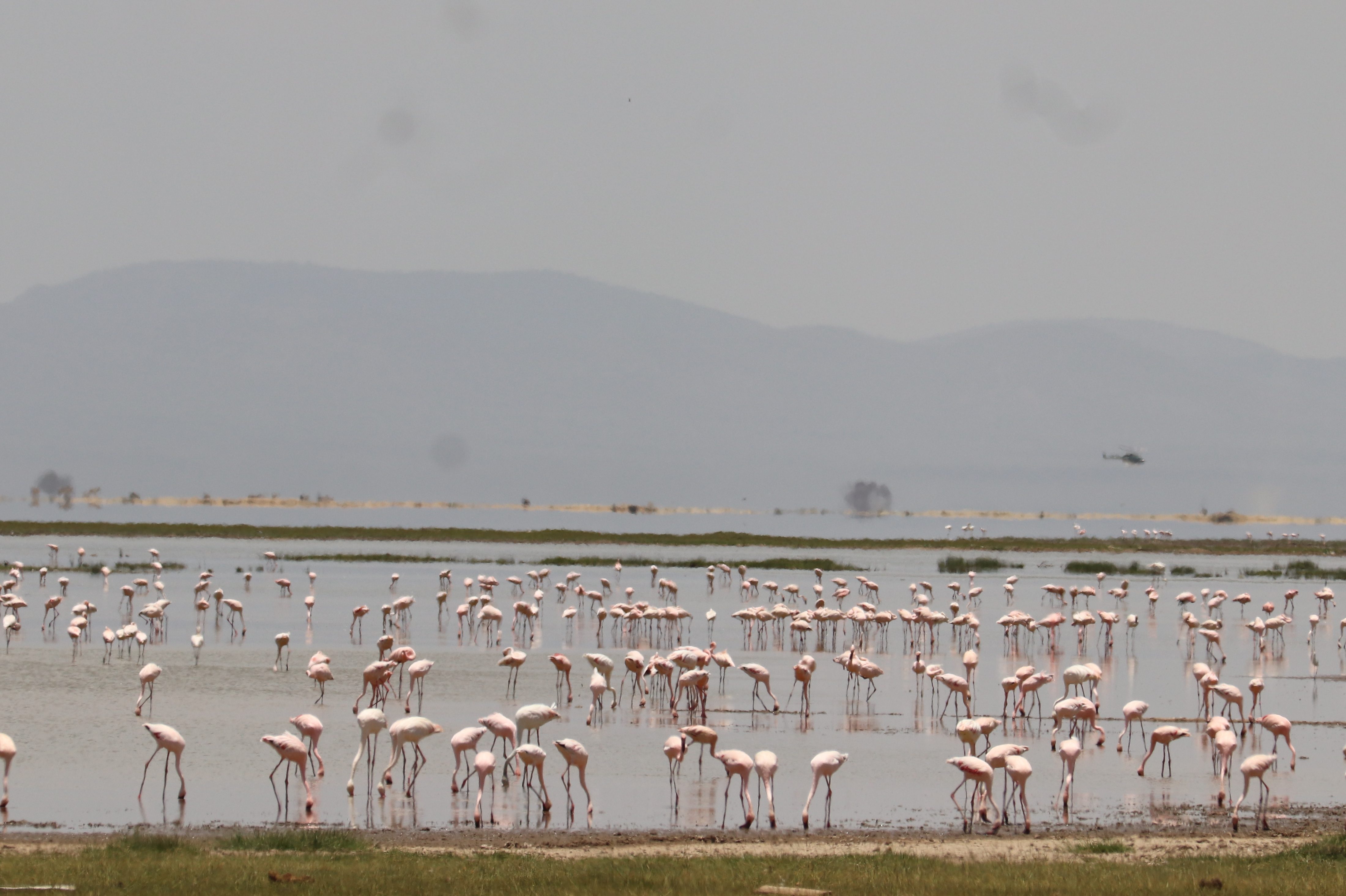
Just a bunch of flamingos chilling at Amboseli National Park
Language
Kenya’s official languages are Swahili and English. Although you can have a good trip if you speak English, it is highly recommended that you know a wee bit of Swahili to connect with the locals and let them know you cared enough to learn a couple of words. Here are a few Swahili words to start with:
- Jambo/ Mambo – Hello
- Habari gani – How are you?
- Mzuri sana – Very good
- Asante – Thank you
- Karibu – You’re welcome
- Hakuna matata – no problem (Of course you’d know this! :))
Might as well help to listen to this song that you will most probably hear a lot – Jambo Bwana 🙂
Visa application
Indians can obtain an e-visa before arriving in Kenya.
You can apply for e-visa here: https://evisa.go.ke/evisa.html
SIM and data
I had activated international roaming on my Indian SIM card. My friend purchased a Safari.com SIM card from the airport. This cost us around $35.
Nairobi City
Day 1
I’d flown into Jomo Kenyatta International Airport, Nairobi. The health-check process due to the current global pandemic and immigration process at the airport was pretty inefficient and it took me quite some time to step out of the airport. We (my friend and I) had taken an Airbnb in Westlands and checked out the city that evening – visited a couple of restaurants including the highly recommended “The Alchemist” which had a very vibrant nightlife.
Sheldrick Elephant Orphanage
Day 2
This was the day I was looking forward to the most in the entire vacation. My friend and I had each adopted a baby elephant at Sheldrick Wildlife Trust and we were going to meet them!! I cannot even tell you how excited I was for this. But the excitement soon faded away when we discovered that we had to book much in advance if we had to visit the sanctuary. So we were obviously turned down.
We then came across a private tour that charged us 50 Euros per person to take us to the trust. They picked us up from our accommodation at Nairobi and we reached the centre after a drive of an hour and a half. After we made it to the elephant orphanage, we found out that the centre didn’t have the policy for adopters to meet or spend time with their adoptees anymore.
We enjoyed a presentation with the baby elephants on how they were taken care of, and how we could contribute.
Bottom line, make sure to send in an email to book your spot at least a week in advance and get a confirmation from the trust before you make your visit.
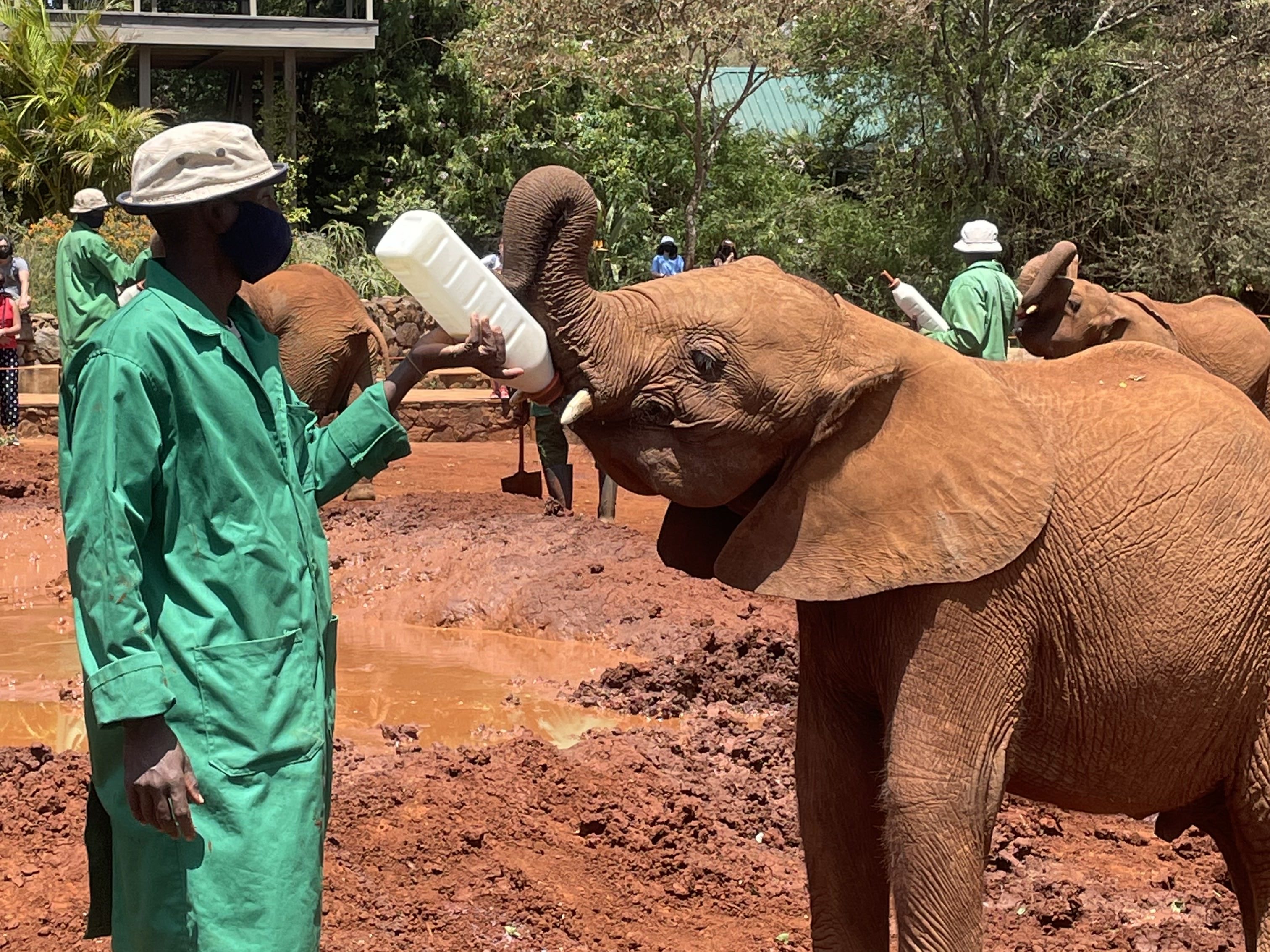
A baby elephant being fed at Sheldrick wildlife trust
Giraffe Centre
After the elephant orphanage visit, we were dropped off at the Giraffe centre on request, only after visiting a souvenir store on the way. We did not know we could’ve negotiated , so here’s a pro tip: when someone quotes a price, start your negotiation with 1/3rd of the quoted price.
We spent a lot of time at the Giraffe centre feeding, clicking pictures with and getting headbutted by the giraffes. This was just so much fun!
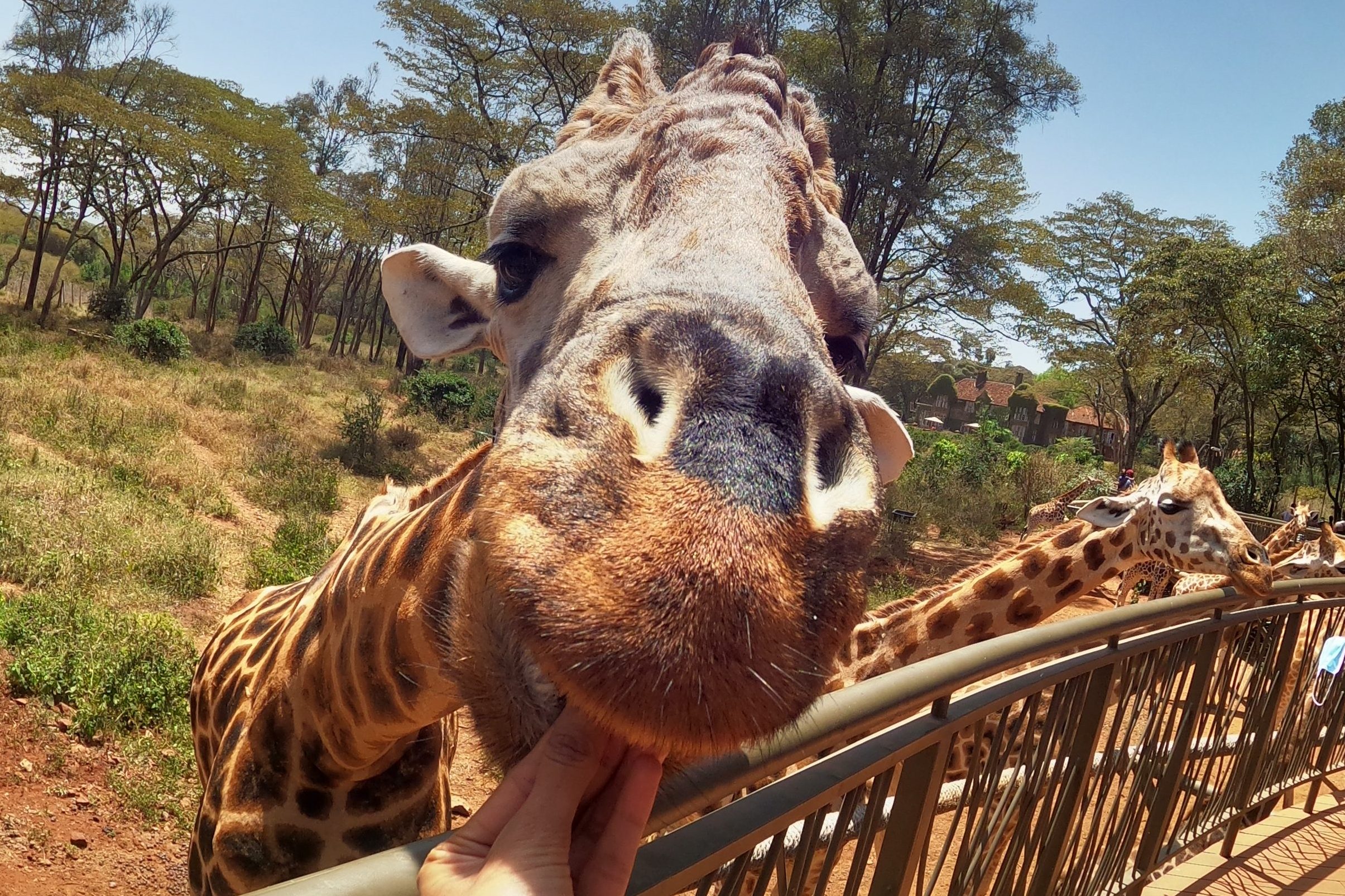
A cutie at the Giraffe Centre, Nairobi
At around 5 PM that evening, we got the rental car we had booked delivered to the giraffe centre.
We drove for around 200kms to reach our next destination – Nanyuki, where we spent the night in a hotel room.
Nanyuki
Day 3
We woke up early in the hopes of hiking to a waterfall and swimming there. The drive to the forest reserve took us an hour from Nanyuki and we reached there around 11 AM.
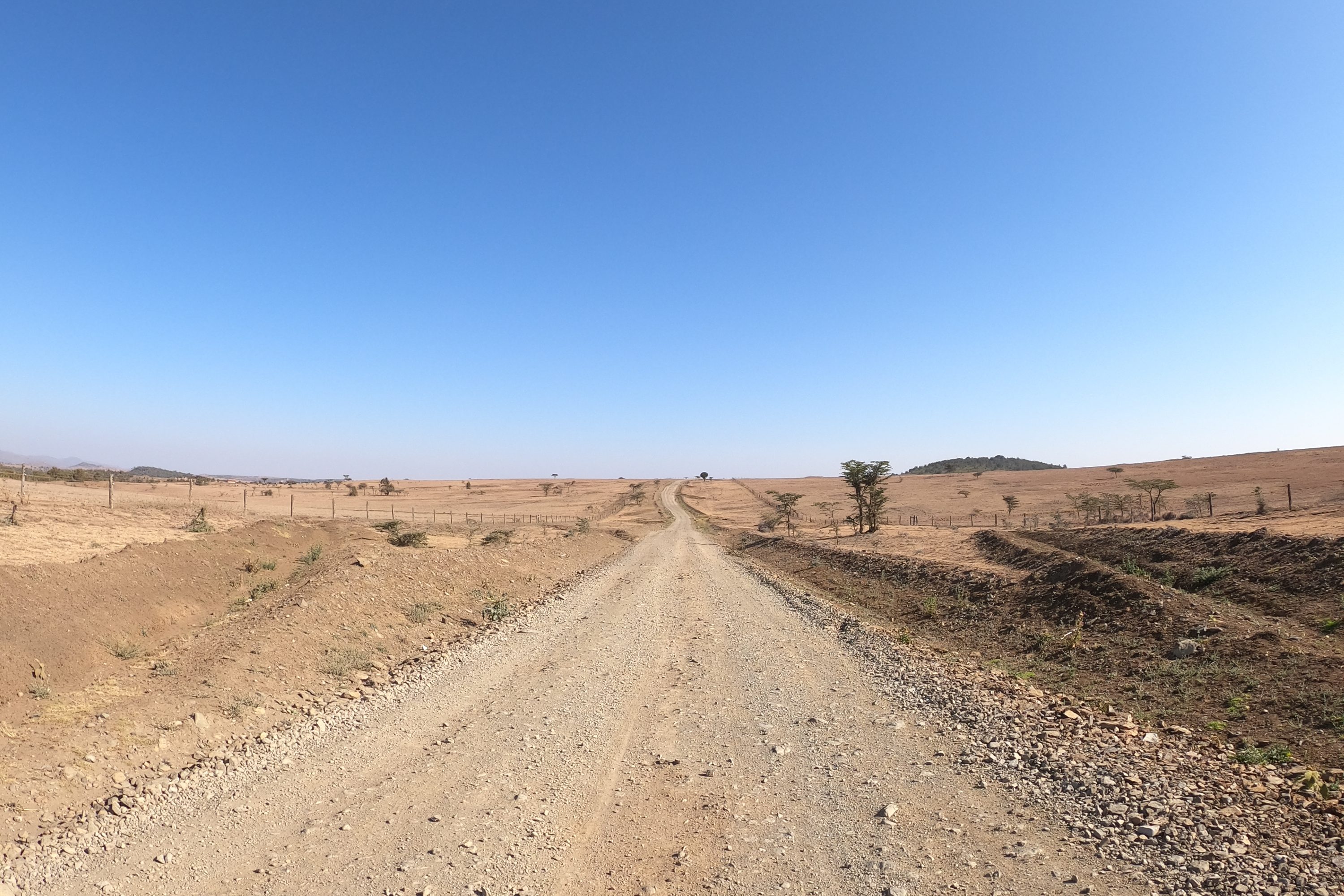
Roads less taken?
Because there were no rangers to take us on the hike and it was too dangerous to go by ourselves., we hired a 4×4 taxi along with a guide with the help of a nearby restaurant owner.
After parking our vehicle, we hiked up to the waterfall where we enjoyed a good swim. There was hardly anyone here. We were so glad we did not miss this, the place looked unbelievable!
What we learnt – it is best you either book your entry to the forest reserves, wildlife conservation centres etc. in advance or make sure you reach there early in the morning to enjoy a smooth trip.
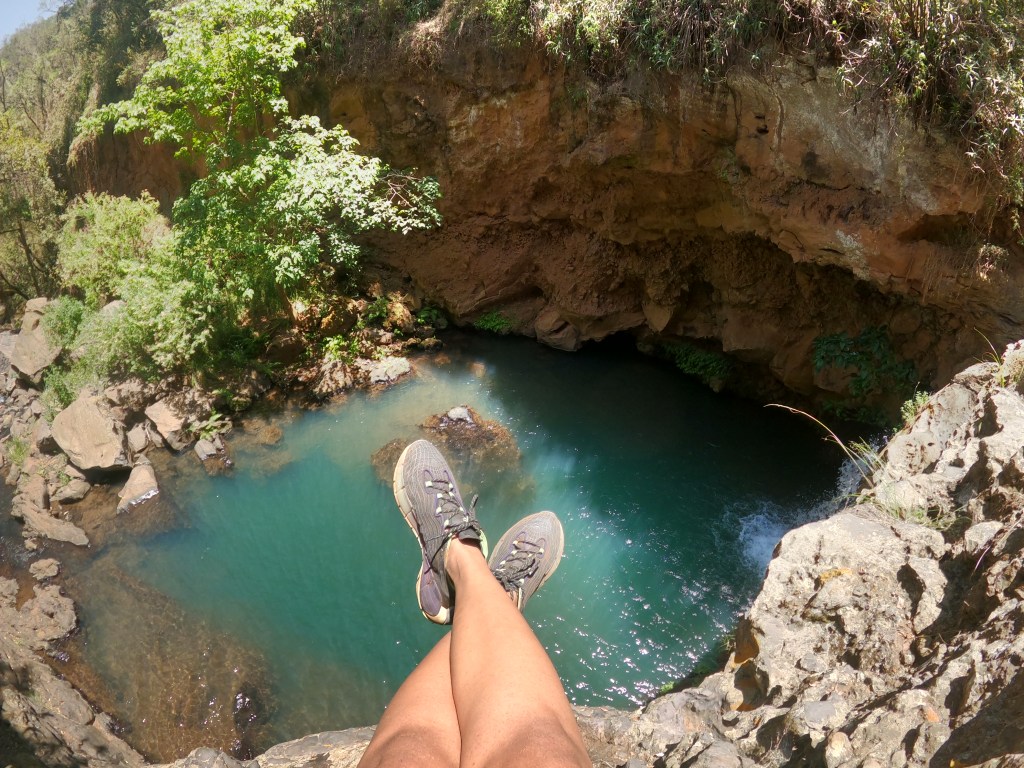
A pristine waterfall in a pristine forest reserve
After taking a good long swim in the falls, we drove back to Nairobi, where we spent the night at a very nice Couchsurfing host’s place.
Masai Mara
Day 4
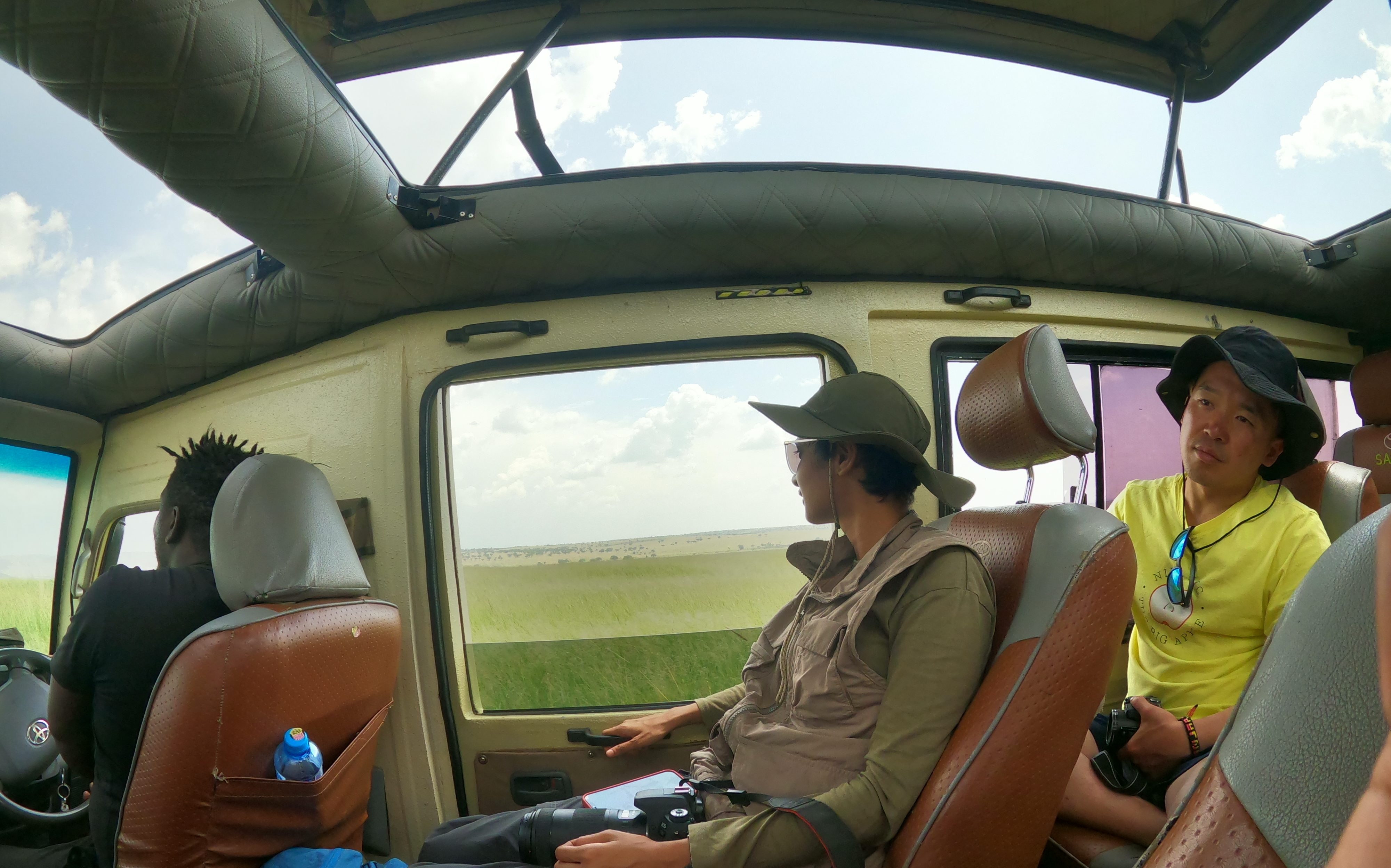
Safari ready
This was the day of the safari to the renowned Masai Mara. We had booked a 3day-2night safari a month in advance with Axis safari via safaribookings.com. The driver picked us up from our accommodation at 7.30 AM. We picked up 3 more people and proceeded on the journey. We reached our camp around 2 PM where we were provided with an amazing lunch. Our stay was arranged in fancy Swiss tents.
In the evening we went on our first game drive where we encountered lots of animals and birds – including giraffes, impalas, zebras, and of course some of the big 5s – a pride of lions, many herds of elephants and buffaloes.
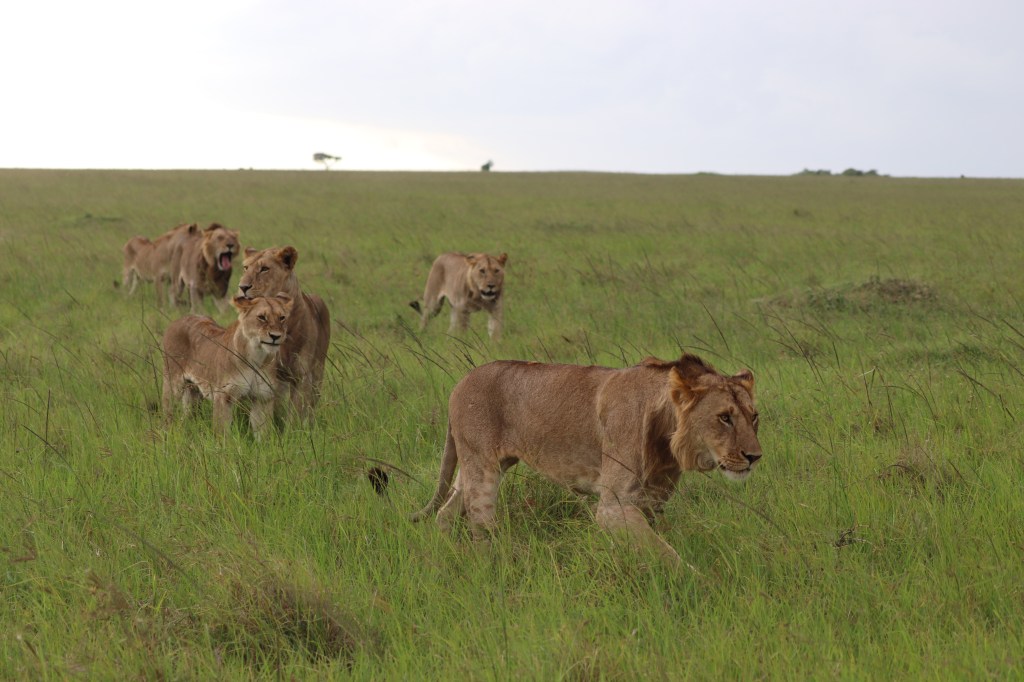
Masai Mara
Once we reached the camp, we had power supply for around 5 hours. Charging stations were available only in the dining area where we charged our phones and cameras. We went to sleep, content with our first day at the Mara.
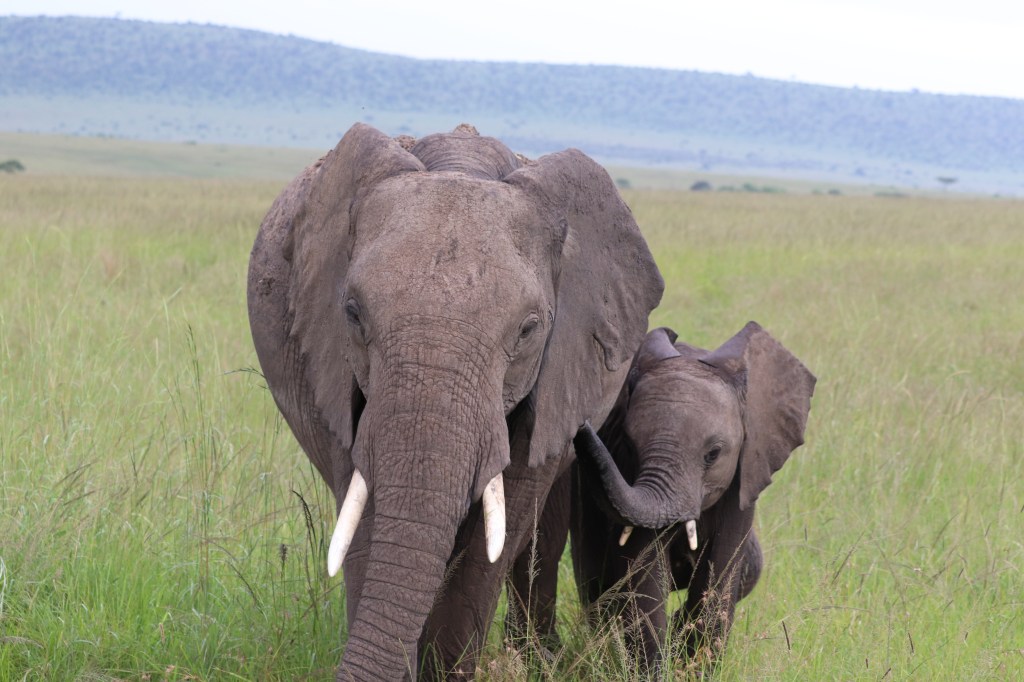
Masai Mara
Day 5
We were up at 5.30 AM and in the safari vehicle by 6.30 AM after breakfast and with packed lunch. Our hopes were high after the previous day and we were not at all let down. We spotted more elephants, lions, buffaloes, hippos etc. We also spotted 3 cheetahs and we were extremely fortunate to have spotted a leopard as well. That made 4 of the big 5s in the Mara.
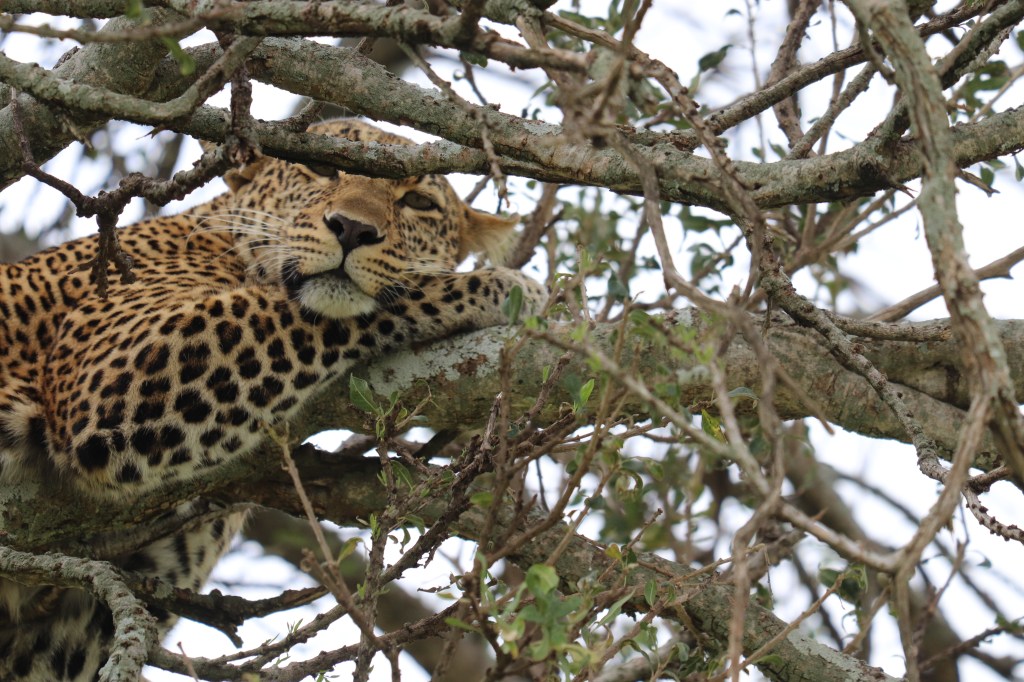
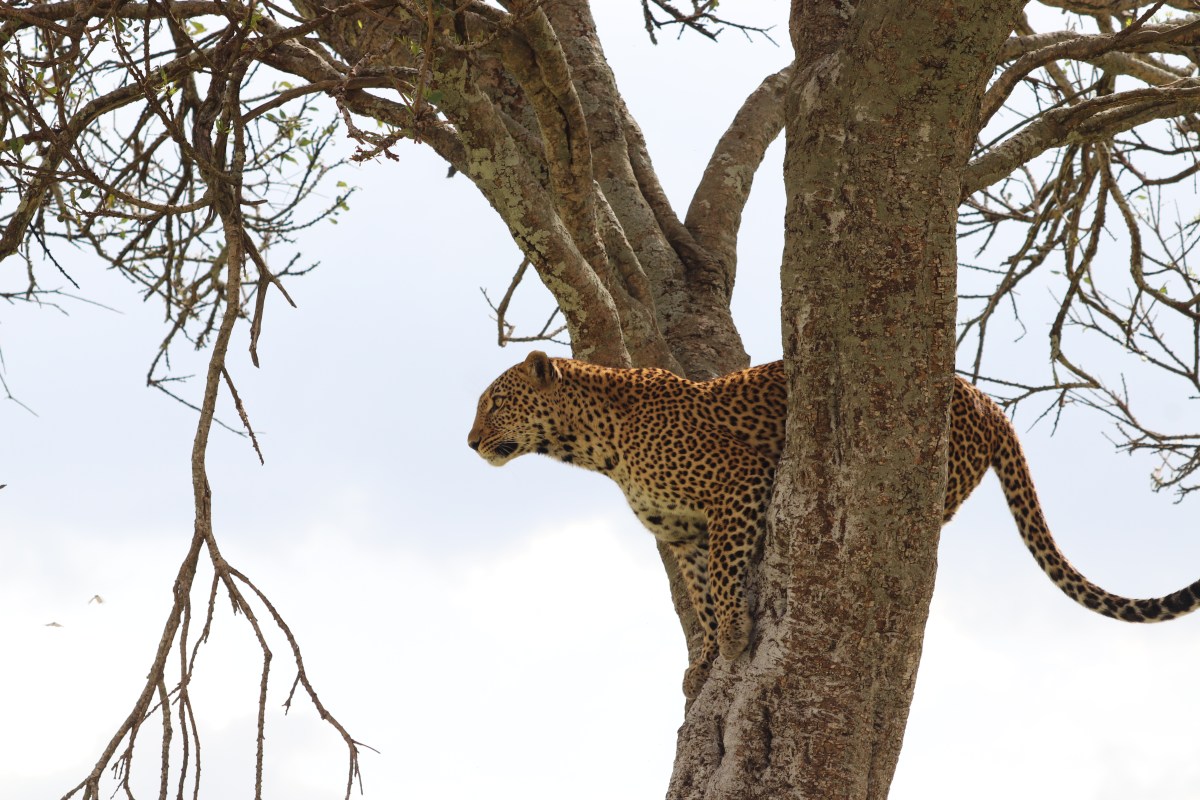
Camera shy leopard? No! Just a sleepy big cat!
Day 6
The tour operators had arranged for us a visit to a Masai tribe, where we got to see the lifestyle of the tribe – we were shown the technique they still use to make fire, were taken on a tour of their houses and we also got to watch and participate in their traditional dance.
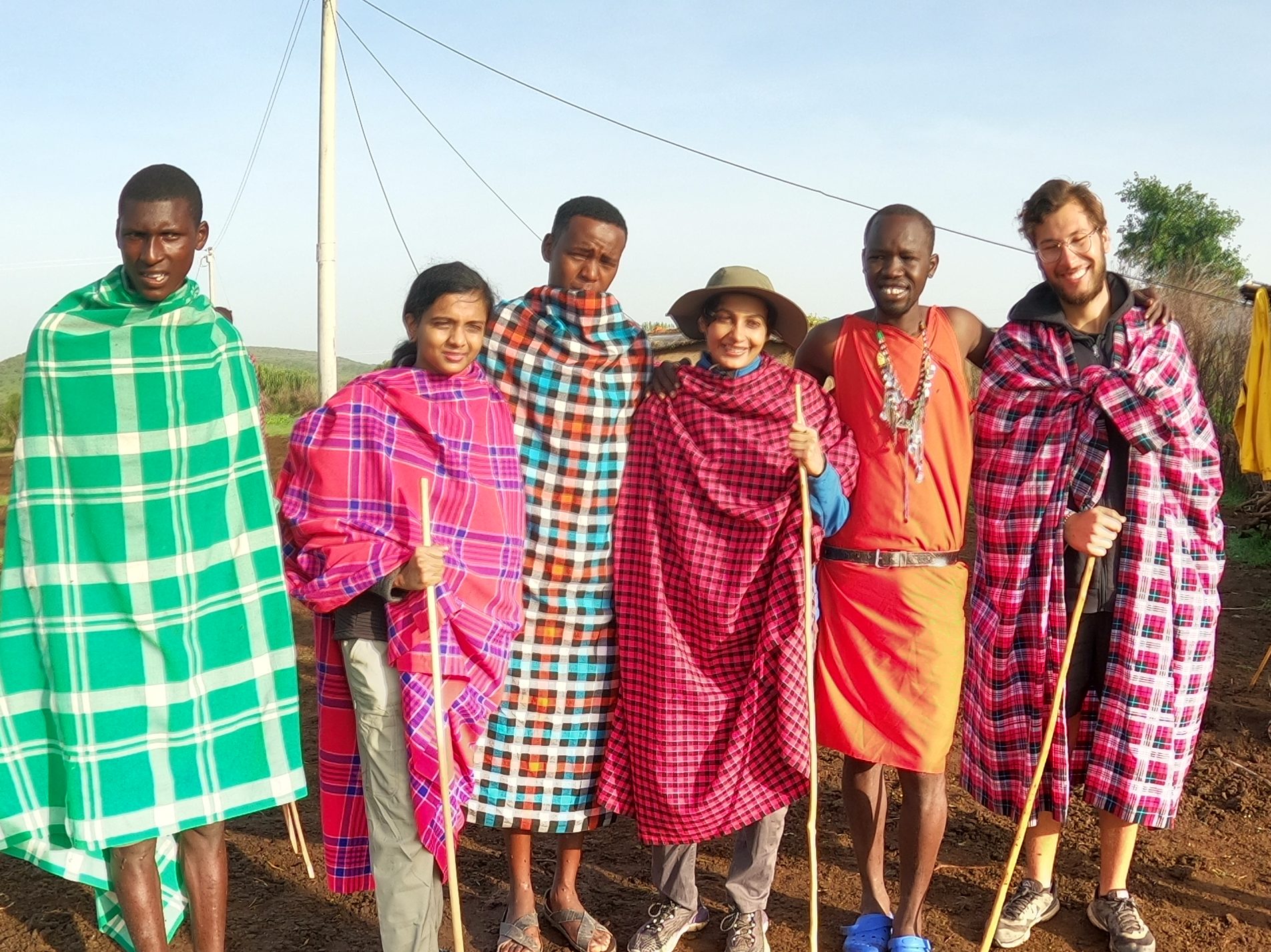
Blending in!
Day 6 was also the day of our last game drive and then we would head back to Nairobi. The only animal among the big 5 that we were yet to spot was a rhino, and we kept our fingers crossed to see one. But that day we hardly ventured for a game drive in the interest of time. We could not spot a rhino – something to come back for, says our guide.
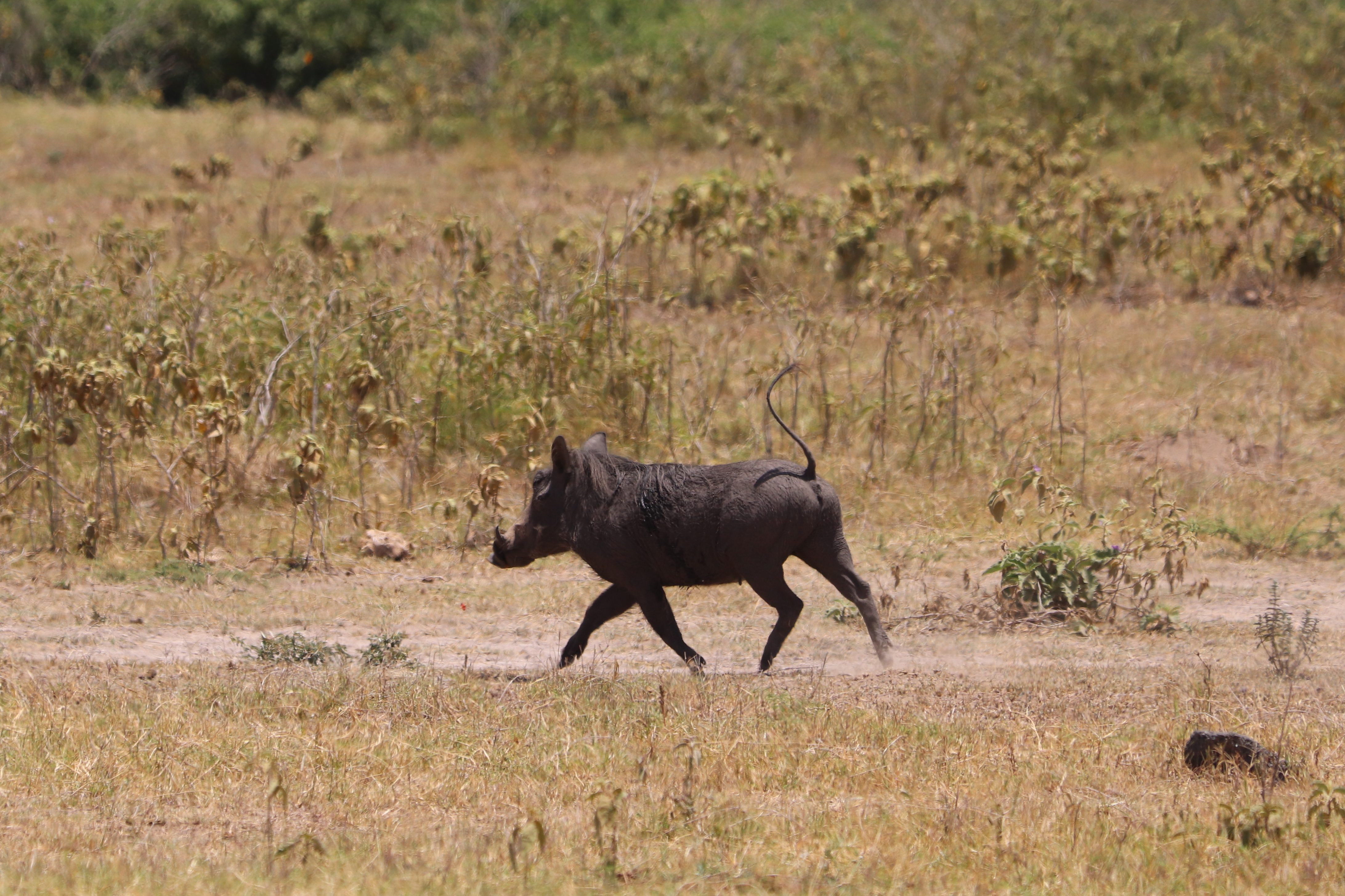
Our very beloved Pumba (a warthog)!
After the safari we were taken for a COVID test to Amref, Nairobi upon request by the safari operator. Later, we were dropped off at our accommodation for the day – Umoja, where we couch surfed with a kind lady and her family.
Amboseli National Park
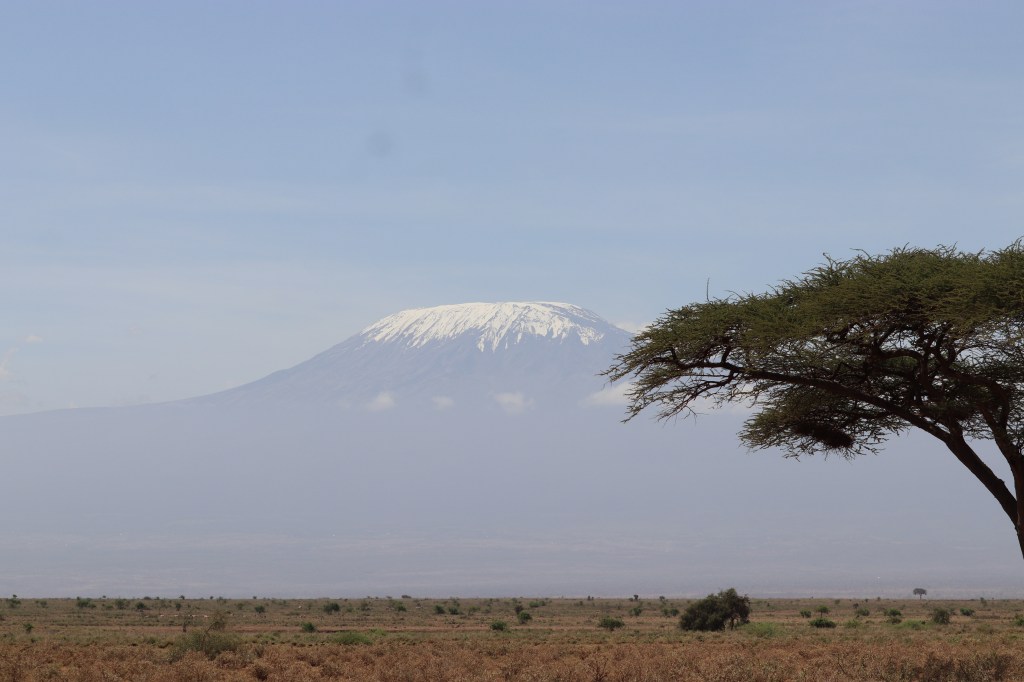
View of Mt. Kilimanjaro from Amboseli National Park
Day 7
We woke up early and prepared for our last day in Kenya. We had already booked our safari to Amboseli National Park with Mufasa tours and travels. This was a private tour and the driver picked us up from our accommodation at Umoja. We wanted to go here for the view of Mt. Kilimanjaro, the highest peak in Africa, and boy was it worth it!
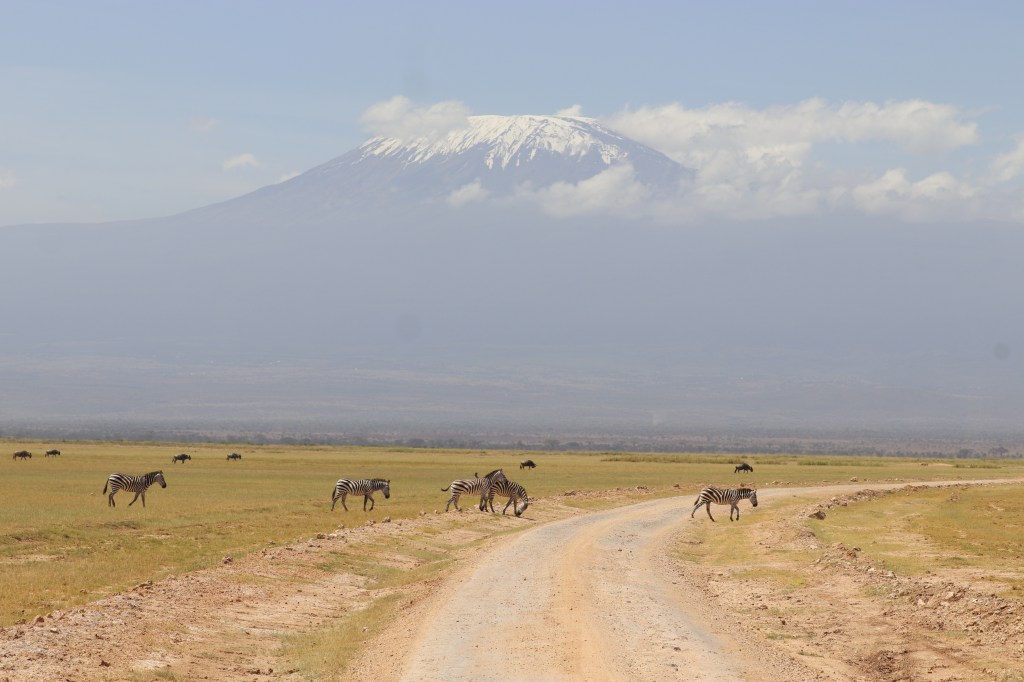
Zebra crossing (:P) with Mt. Kilimanjaro at the backdrop
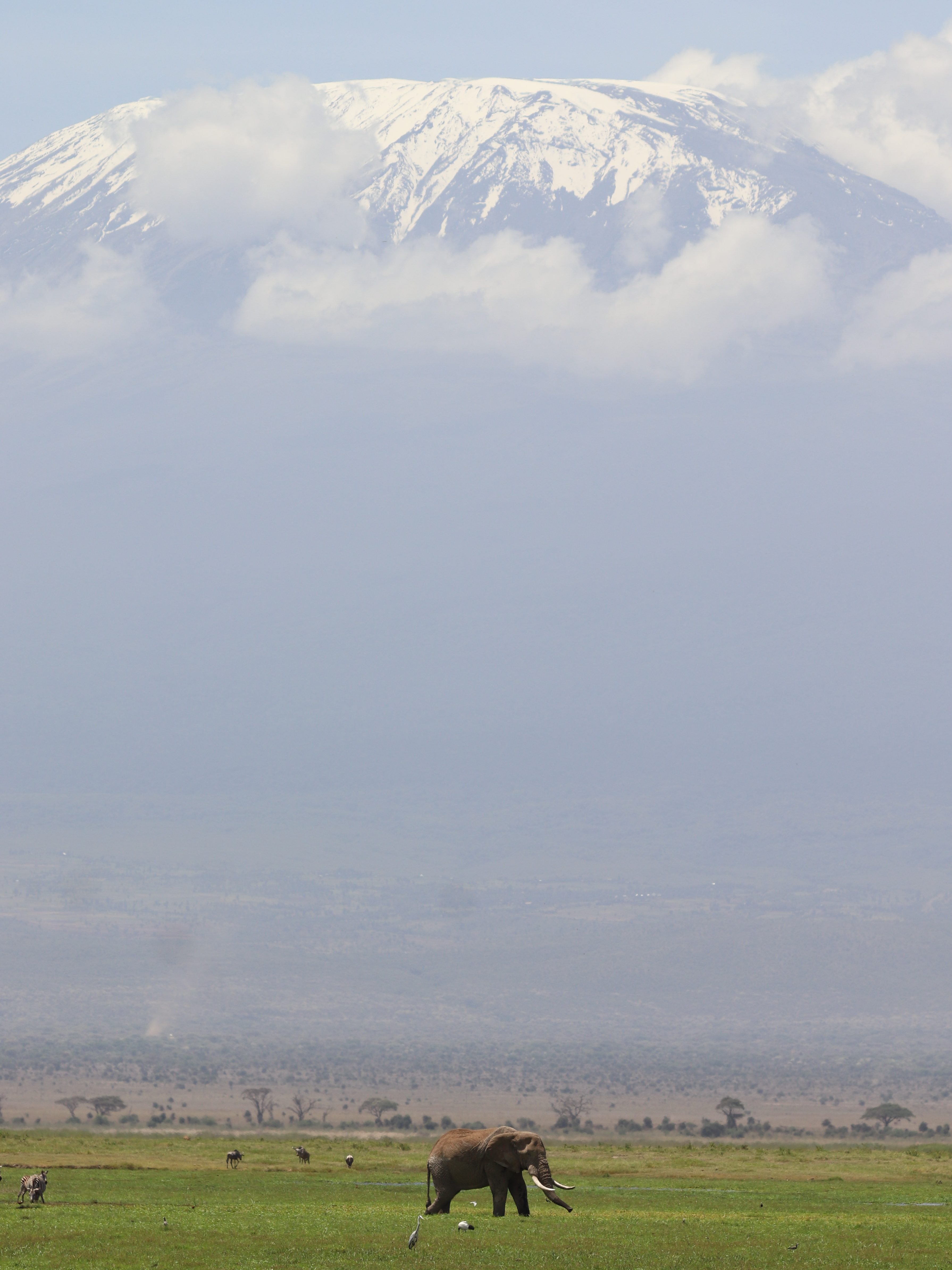
View of Mt. Kilimanjaro from Amboseli National Park
After this, we continued our journey to Arusha, Tanzania by road with the same tour operator.
Modes of Transportation
- Taxis – Uber/ Bolt. We majorly used Bolt to get around the city in Nairobi.
- Public transportation – Dala dalas are mini buses that run throughout the country. The connectivity is good, but they can be extremely crowded. We did not feel safe at one of the dala dala stations at Nairobi we visited one night, so we stuck to Bolt rides in Nairobi.
- Two-wheeler taxis – Boda bodas. I’d advice you to exercise caution if you choose this mode of transport due to some recent issues.
- Self drive car rentals – We rented a car from ACE Rent a car. Be sure to thoroughly check the car and take pictures and videos of the vehicle when you receive it, because trust me, it comes in handy later. In case you are late to return the car, they will try to extort a lot of money from you, maybe even a day’s charge. You can deny paying this with a decent negotiation.
COVID Test
We were required to produce a negative RT PCR test to enter Tanzania. We took our test at Amref medical centre, Nairobi. You will need to fill this online form before they perform the test. We paid $50 for the test. Payment can be done either via cash at the centre or online using credit/ debit card. We received the test results within a few hours.
Expenditure list
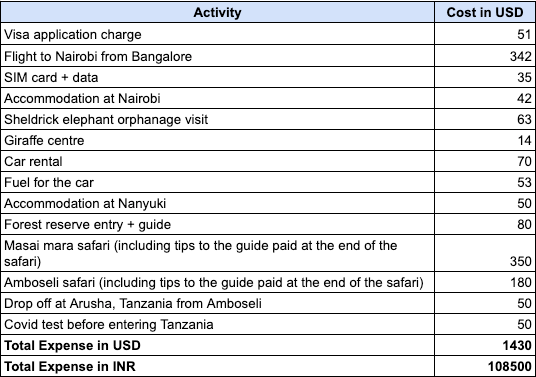
The flight ticket from Kenya back to India has not been added to the list because I continued my journey to Tanzania from Kenya. But it should cost you around $350.
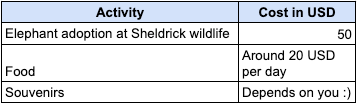
Additional expenses
 General Compartment's Blog