1 week in Magical Kenya

Kenya is an East African country famed for its picturesque landscapes and numerous wildlife conservation centres. From the most amazing wildlife safaris to the best white sand beaches to diverse land and marine wildlife, Kenya has it all. The people here are as warm as it’s climate and live worry-free, because, Kenya yetu Hakuna matata! (There are no problems in Kenya!).

Why did I choose Kenya?
I love animals and I’ve always wanted to visit Kenya to stay for a long period of time and volunteer with some wildlife conservation centre, but never imagined going there for a short vacation. I still chose Kenya for a few reasons:

  • The nature and wildlife in Kenya were supposed to be (now I can vouch for it) unmatched.
  • Kenya is a cheap country to travel to from India.
  • And the most important reason – Due to the global pandemic, lots of countries were yet to open up their borders for India. Kenya was open!

Best time to visit Kenya

You can visit Kenya round the year, but the best time for the safaris is the dry season which extends between July and mid-March. The most sought after time to visit Masai Mara is during the wild beast migration which happens from July to October. The parks tend to get super crowded during this period and the safari costs go up significantly. My friend and I traveled to Kenya in March, which is apparently off-season. The perks were that the parks were less crowded and the safaris cheaper. There was no downside!
Language

Kenya’s official languages are Swahili and English. Although you can have a good trip if you speak English, it is highly recommended that you know a wee bit of Swahili to connect with the locals and let them know you cared enough to learn a couple of words. Here are a few Swahili words to start with:

  • Jambo/ Mambo – Hello
  • Habari gani – How are you?
  • Mzuri sana – Very good
  • Asante – Thank you
  • Karibu – You’re welcome
  • Hakuna matata – no problem (Of course you’d know this! :))

Might as well help to listen to this song that you will most probably hear a lot – Jambo Bwana 🙂

Visa application

Indians can obtain an e-visa before arriving in Kenya.
You can apply for e-visa here: https://evisa.go.ke/evisa.html

SIM and data

I had activated international roaming on my Indian SIM card. My friend purchased a Safari.com SIM card from the airport. This cost us around $35.

Nairobi City

Day 1
I’d flown into Jomo Kenyatta International Airport, Nairobi. The health-check process due to the current global pandemic and immigration process at the airport was pretty inefficient and it took me quite some time to step out of the airport. We (my friend and I) had taken an Airbnb in Westlands and checked out the city that evening – visited a couple of restaurants including the highly recommended “The Alchemist” which had a very vibrant nightlife.

Sheldrick Elephant Orphanage

Day 2
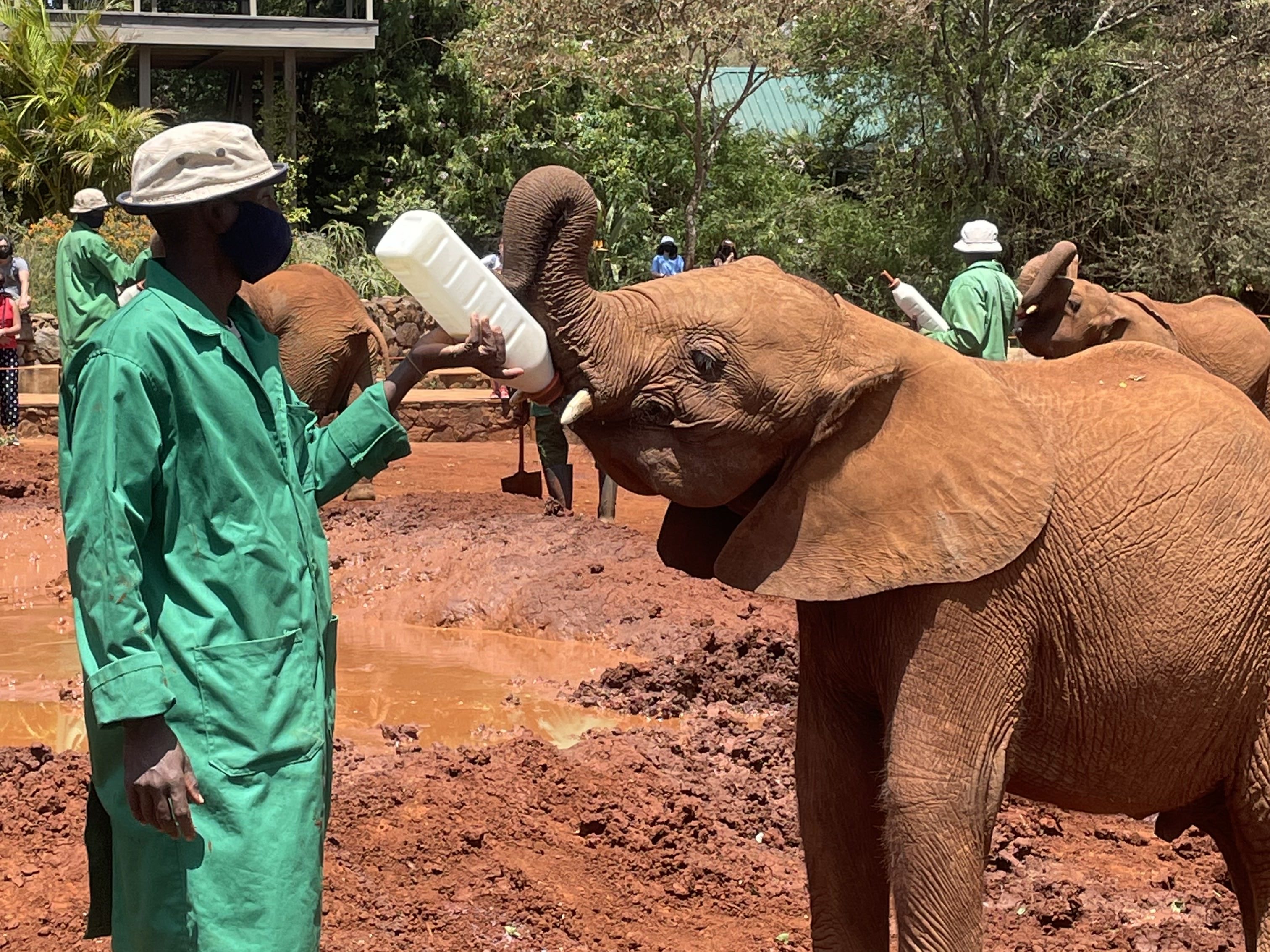
This was the day I was looking forward to the most in the entire vacation. My friend and I had each adopted a baby elephant at Sheldrick Wildlife Trust and we were going to meet them!! I cannot even tell you how excited I was for this. But the excitement soon faded away when we discovered that we had to book much in advance if we had to visit the sanctuary. So we were obviously turned down.

We then came across a private tour that charged us 50 Euros per person to take us to the trust. They picked us up from our accommodation at Nairobi and we reached the centre after a drive of an hour and a half. After we made it to the elephant orphanage, we found out that the centre didn’t have the policy for adopters to meet or spend time with their adoptees anymore.

We enjoyed a presentation with the baby elephants on how they were taken care of, and how we could contribute.

Bottom line, make sure to send in an email to book your spot at least a week in advance and get a confirmation from the trust before you make your visit.
Giraffe Centre

After the elephant orphanage visit, we were dropped off at the Giraffe centre on request, only after visiting a souvenir store on the way. We did not know we could’ve negotiated , so here’s a pro tip: when someone quotes a price, start your negotiation with 1/3rd of the quoted price.

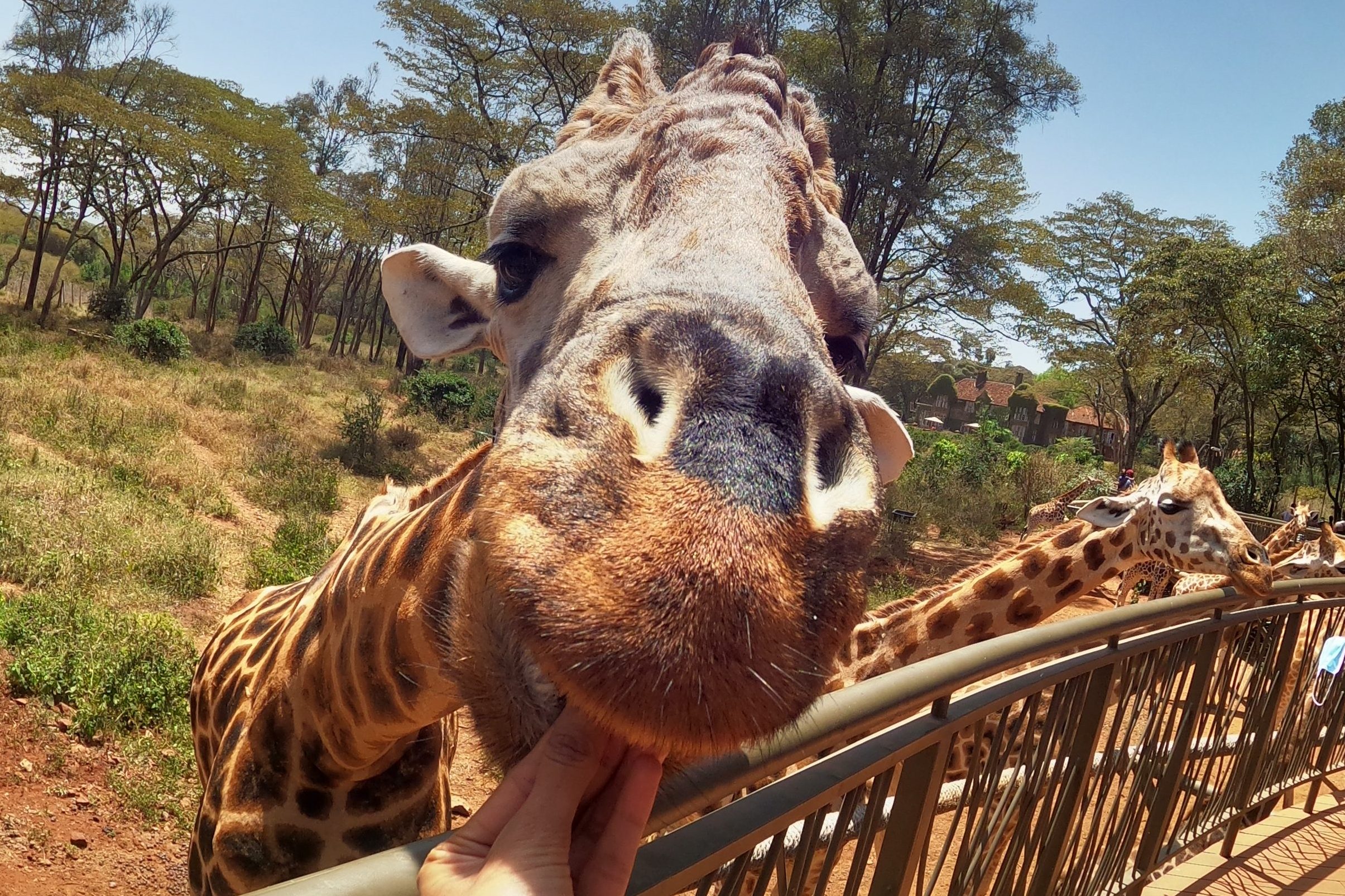
We spent a lot of time at the Giraffe centre feeding, clicking pictures with and getting headbutted by the giraffes. This was just so much fun!

At around 5 PM that evening, we got the rental car we had booked delivered to the giraffe centre.
We drove for around 200kms to reach our next destination – Nanyuki, where we spent the night in a hotel room.

Nanyuki

Day 3
We woke up early in the hopes of hiking to a waterfall and swimming there. The drive to the forest reserve took us an hour from Nanyuki and we reached there around 11 AM.
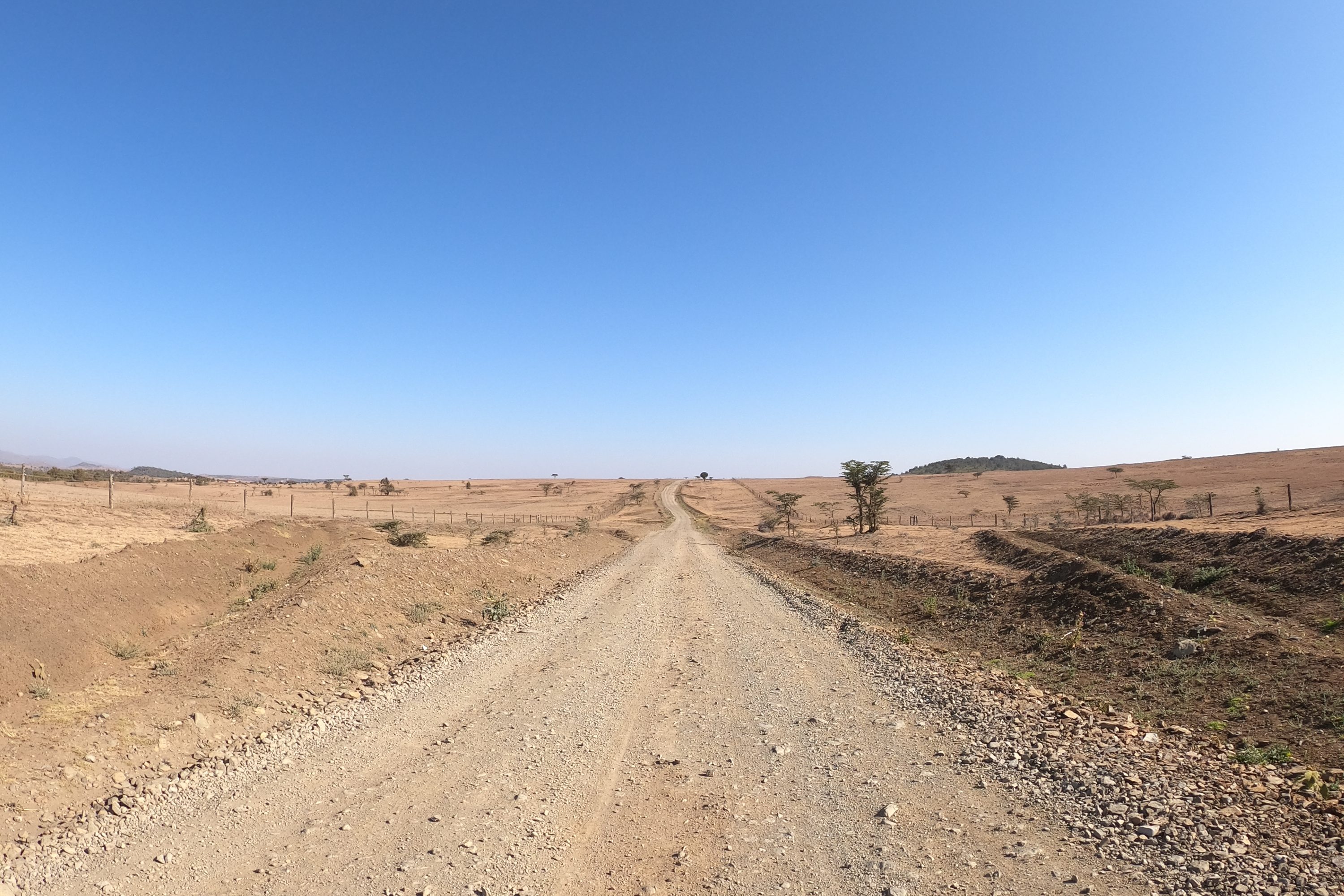
Because there were no rangers to take us on the hike and it was too dangerous to go by ourselves., we hired a 4×4 taxi along with a guide with the help of a nearby restaurant owner.

After parking our vehicle, we hiked up to the waterfall where we enjoyed a good swim. There was hardly anyone here. We were so glad we did not miss this, the place looked unbelievable!

What we learnt – it is best you either book your entry to the forest reserves, wildlife conservation centres etc. in advance or make sure you reach there early in the morning to enjoy a smooth trip.
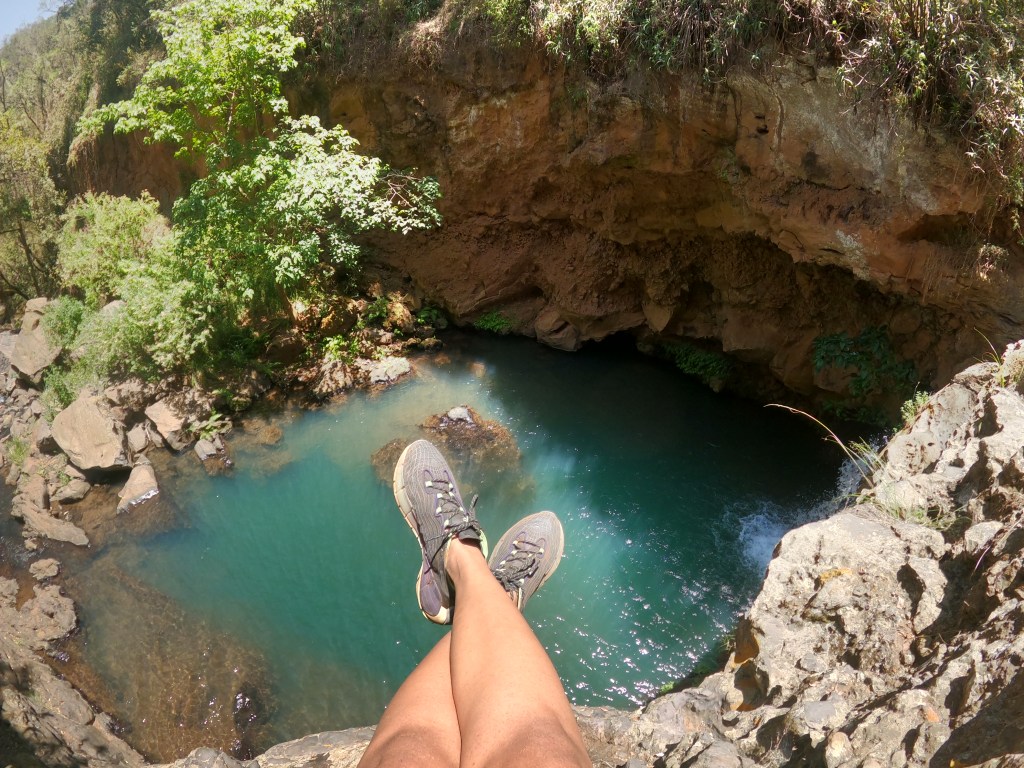
After taking a good long swim in the falls, we drove back to Nairobi, where we spent the night at a very nice Couchsurfing host’s place.

Masai Mara

Day 4
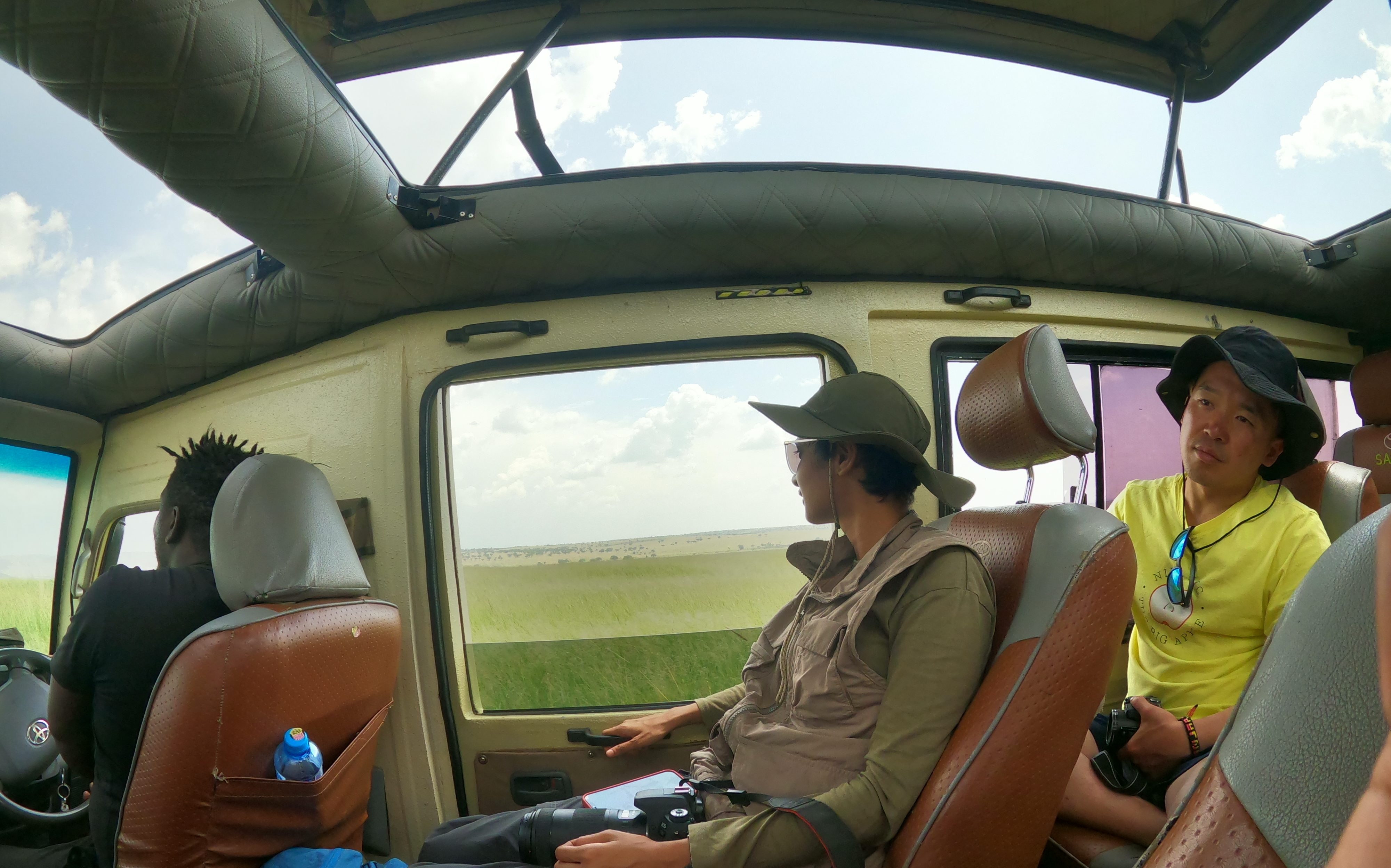

This was the day of the safari to the renowned Masai Mara. We had booked a 3day-2night safari a month in advance with Axis safari via safaribookings.com. The driver picked us up from our accommodation at 7.30 AM. We picked up 3 more people and proceeded on the journey. We reached our camp around 2 PM where we were provided with an amazing lunch. Our stay was arranged in fancy Swiss tents.
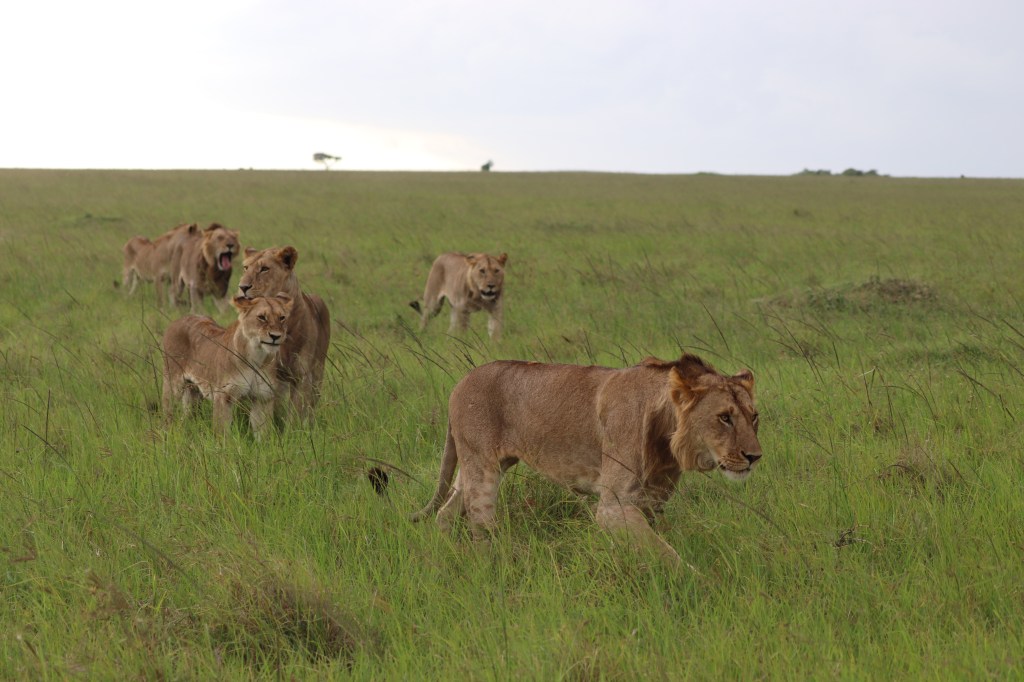
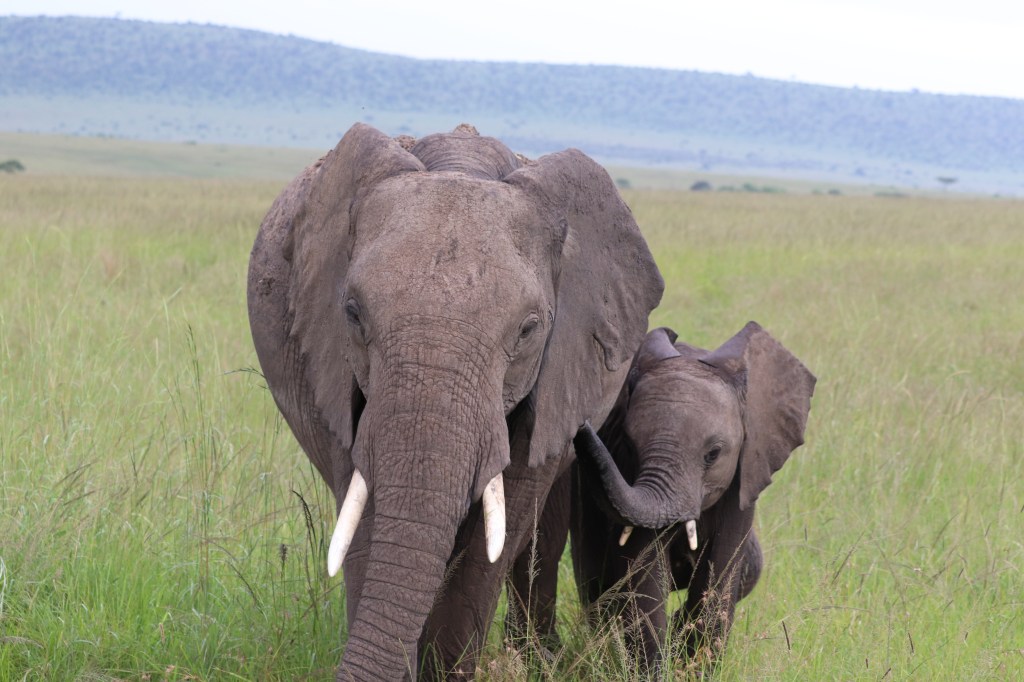
In the evening we went on our first game drive where we encountered lots of animals and birds – including giraffes, impalas, zebras, and of course some of the big 5s – a pride of lions, many herds of elephants and buffaloes.
Once we reached the camp, we had power supply for around 5 hours. Charging stations were available only in the dining area where we charged our phones and cameras. We went to sleep, content with our first day at the Mara.
Day 5
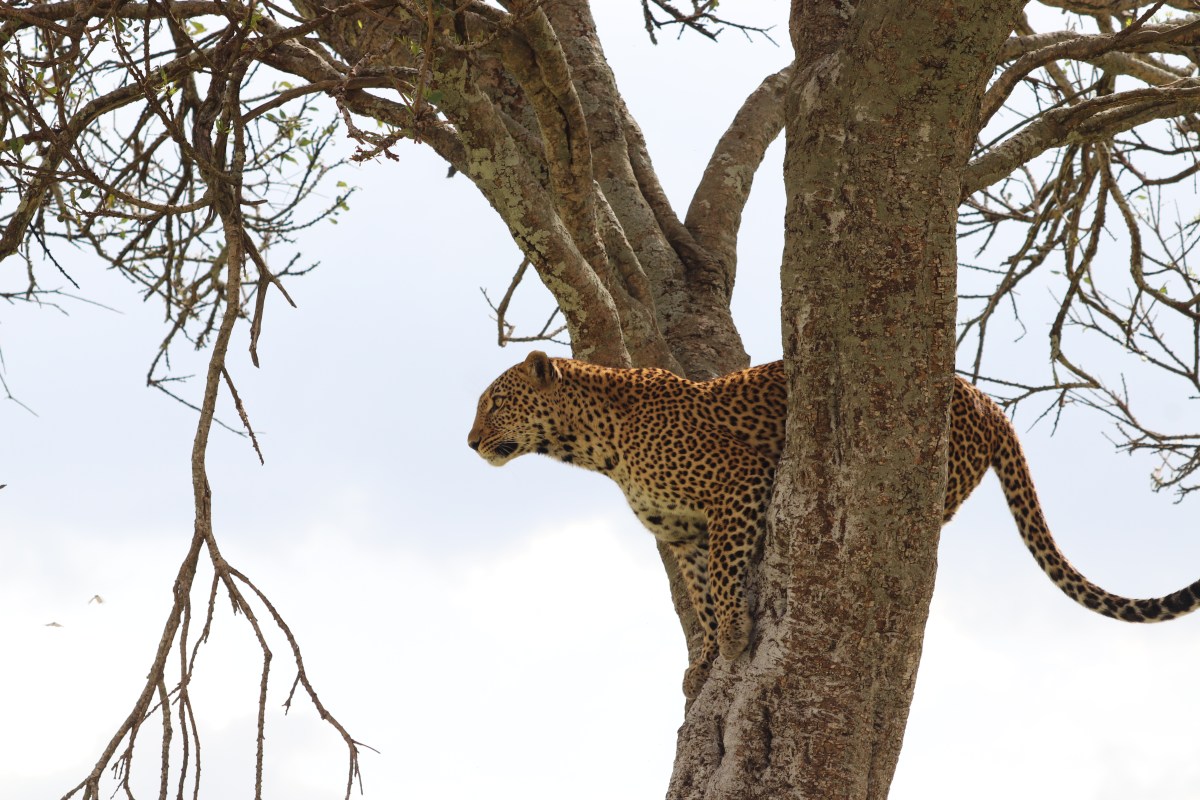
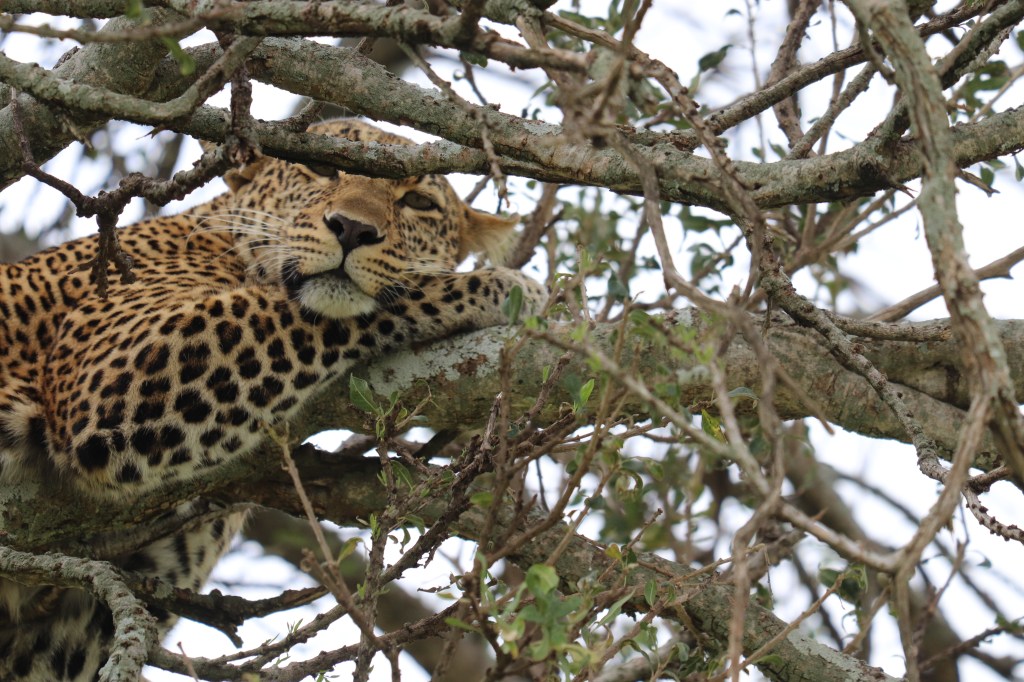
We were up at 5.30 AM and in the safari vehicle by 6.30 AM after breakfast and with packed lunch. Our hopes were high after the previous day and we were not at all let down. We spotted more elephants, lions, buffaloes, hippos etc. We also spotted 3 cheetahs and we were extremely fortunate to have spotted a leopard as well. That made 4 of the big 5s in the Mara.
Day 6
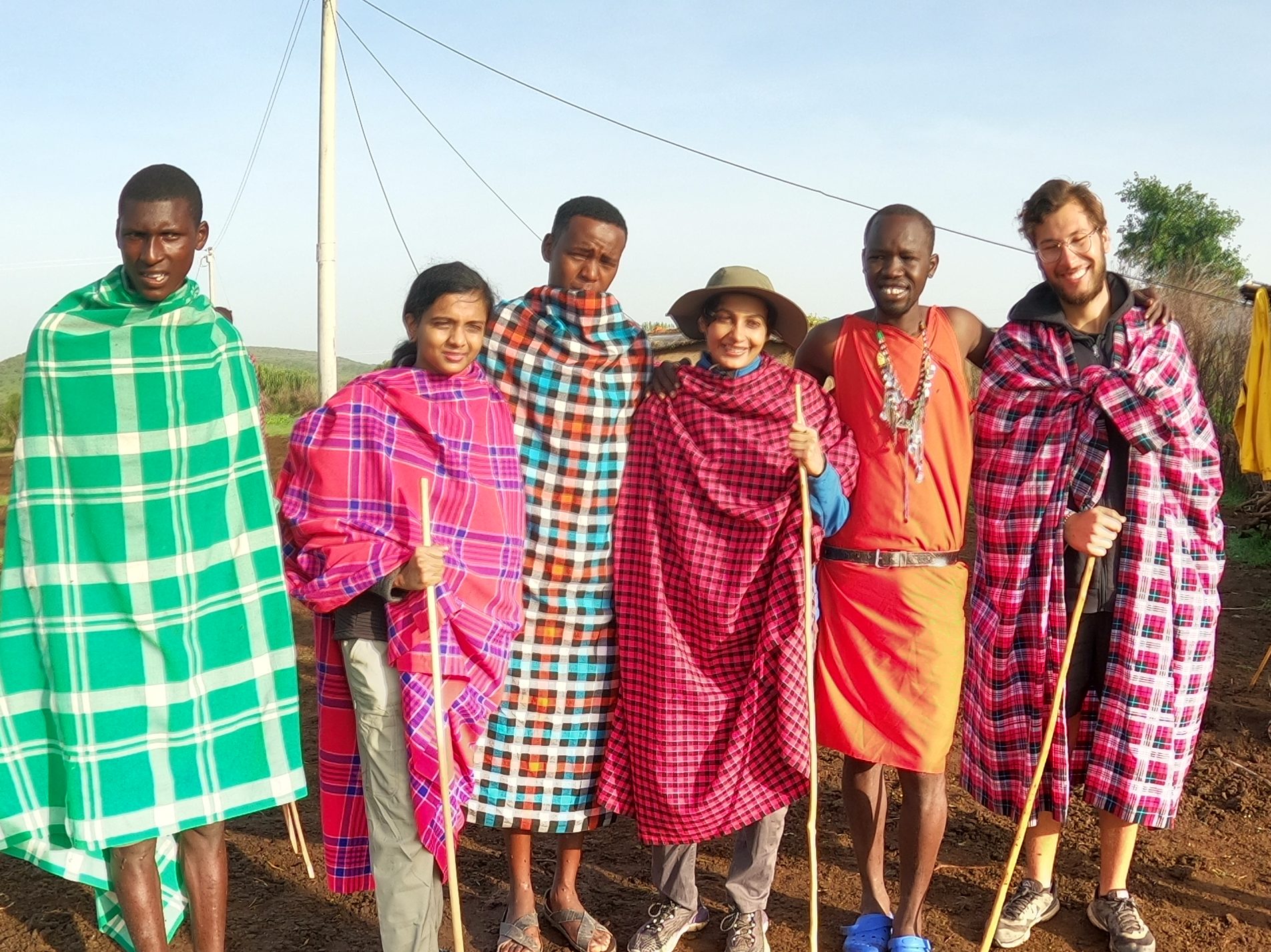
The tour operators had arranged for us a visit to a Masai tribe, where we got to see the lifestyle of the tribe – we were shown the technique they still use to make fire, were taken on a tour of their houses and we also got to watch and participate in their traditional dance.

Day 6 was also the day of our last game drive and then we would head back to Nairobi. The only animal among the big 5 that we were yet to spot was a rhino, and we kept our fingers crossed to see one. But that day we hardly ventured for a game drive in the interest of time. We could not spot a rhino – something to come back for, says our guide.

After the safari we were taken for a COVID test to Amref, Nairobi upon request by the safari operator. Later, we were dropped off at our accommodation for the day – Umoja, where we couch surfed with a kind lady and her family.

Amboseli National Park
Day 7
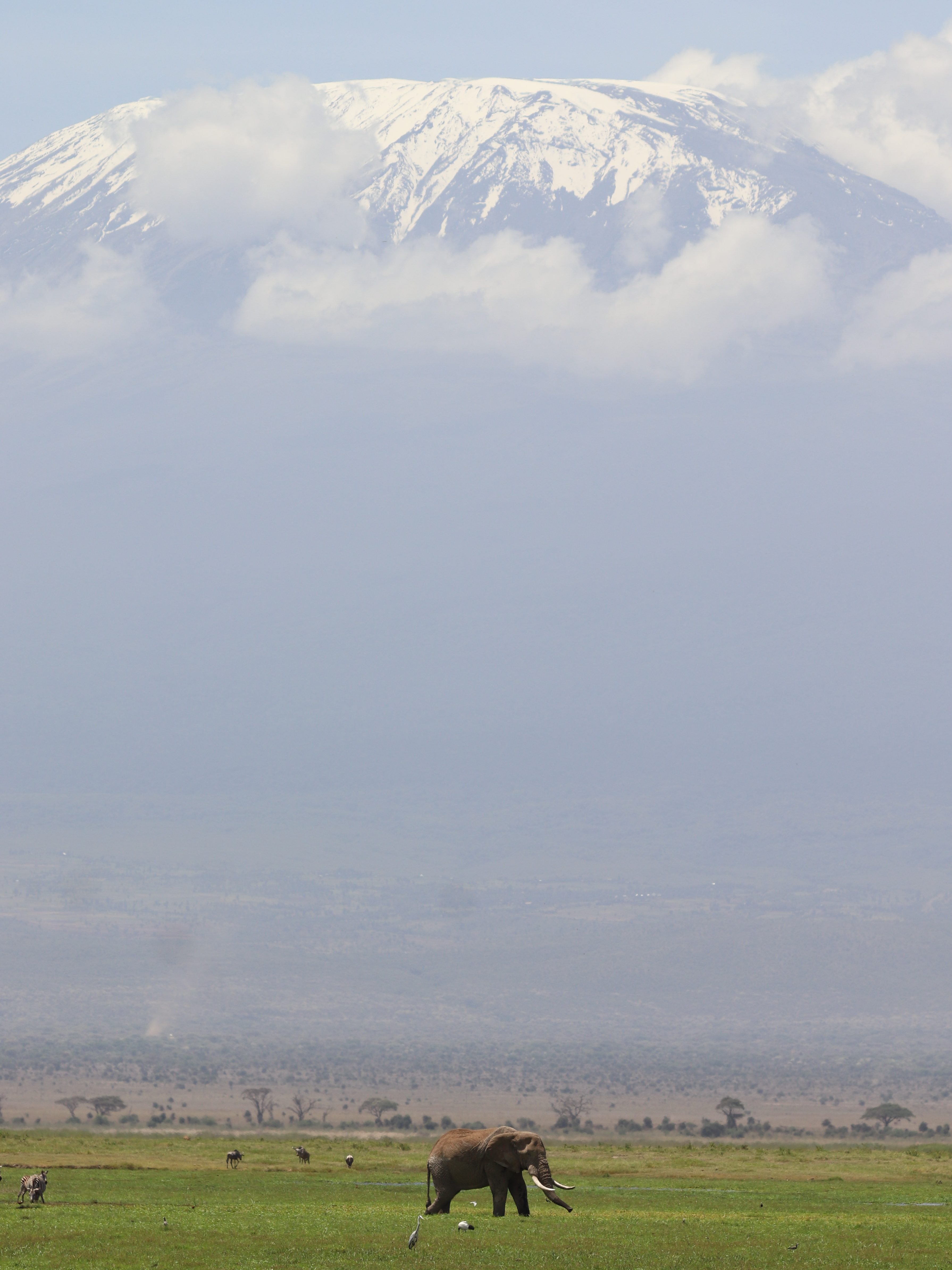
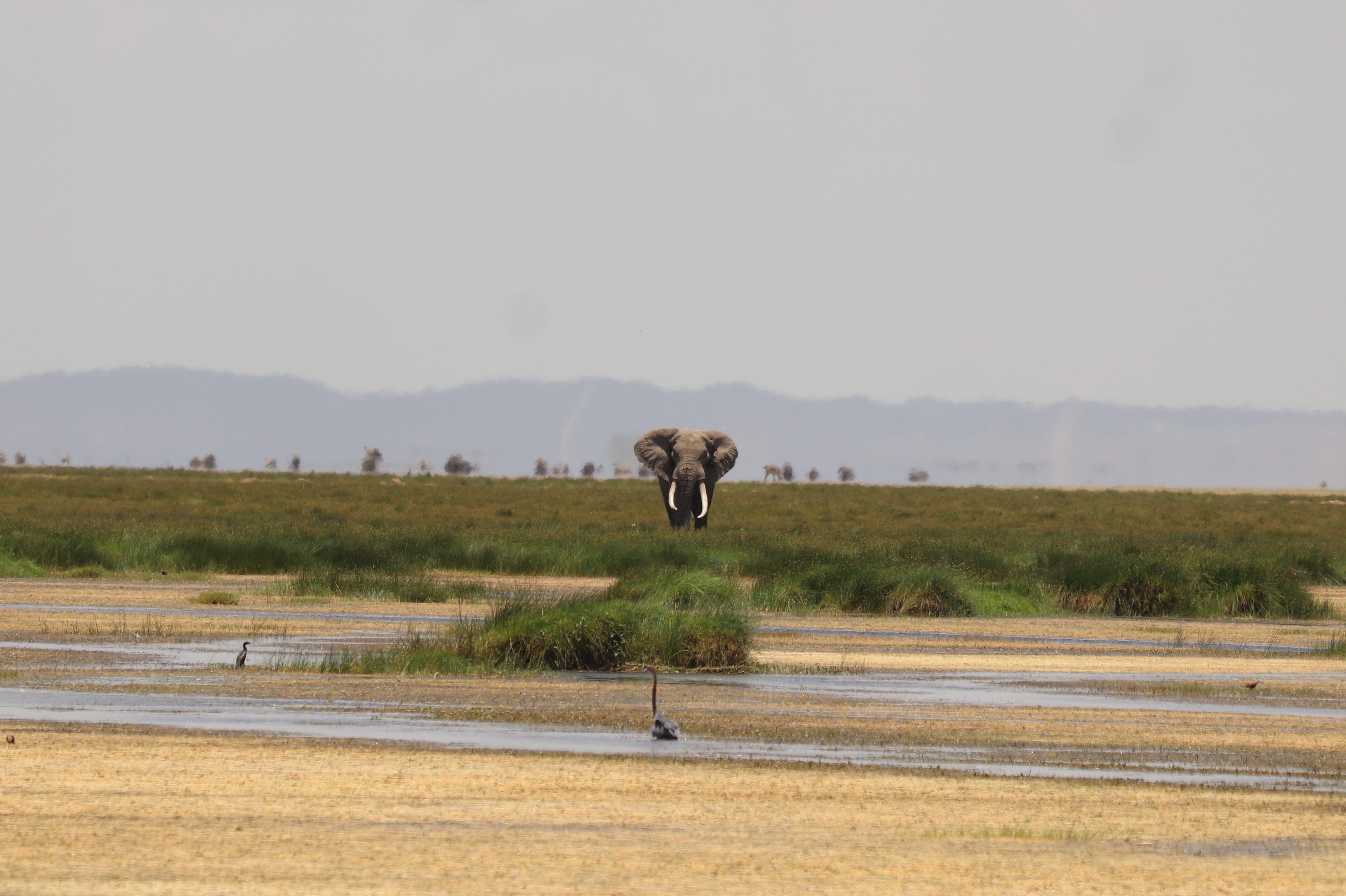
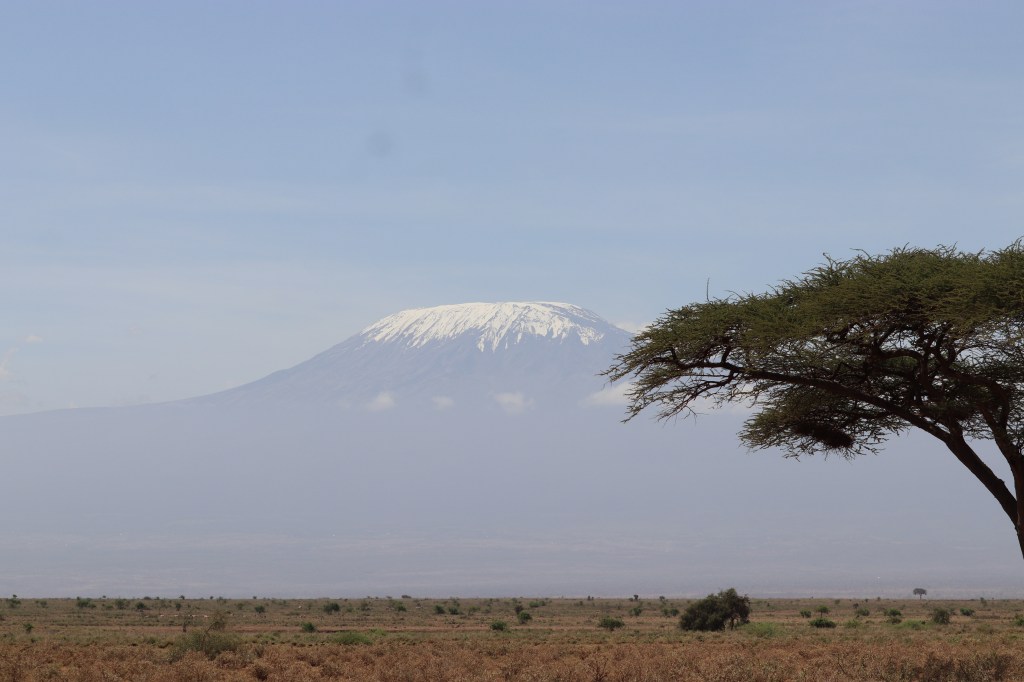
We woke up early and prepared for our last day in Kenya. We had already booked our safari to Amboseli National Park with Mufasa tours and travels. This was a private tour and the driver picked us up from our accommodation at Umoja. We wanted to go here for the view of Mt. Kilimanjaro, the highest peak in Africa, and boy was it worth it!
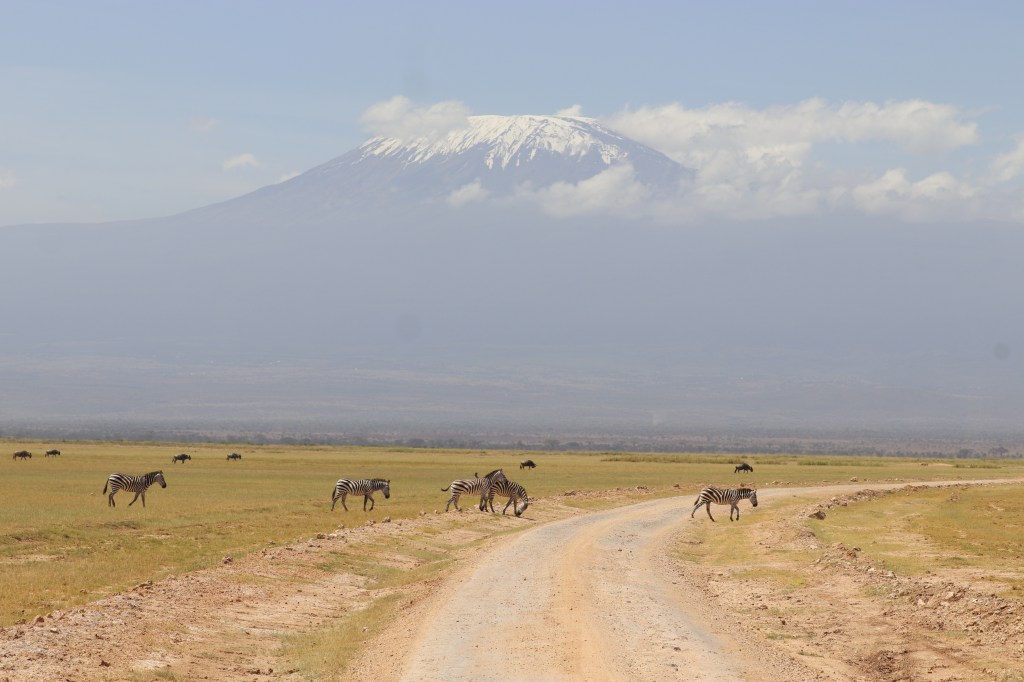
After this, we continued our journey to Arusha, Tanzania by road with the same tour operator.

Modes of Transportation

  • Taxis – Uber/ Bolt. We majorly used Bolt to get around the city in Nairobi.
  • Public transportation – Dala dalas are mini buses that run throughout the country. The connectivity is good, but they can be extremely crowded. We did not feel safe at one of the dala dala stations at Nairobi we visited one night, so we stuck to Bolt rides in Nairobi.
  • Two-wheeler taxis – Boda bodas. I’d advice you to exercise caution if you choose this mode of transport due to some recent issues.
  • Self drive car rentals – We rented a car from ACE Rent a car. Be sure to thoroughly check the car and take pictures and videos of the vehicle when you receive it, because trust me, it comes in handy later. In case you are late to return the car, they will try to extort a lot of money from you, maybe even a day’s charge. You can deny paying this with a decent negotiation.

COVID Test

We were required to produce a negative RT PCR test to enter Tanzania. We took our test at Amref medical centre, Nairobi. You will need to fill this online form before they perform the test. We paid $50 for the test. Payment can be done either via cash at the centre or online using credit/ debit card. We received the test results within a few hours.

Expenditure list
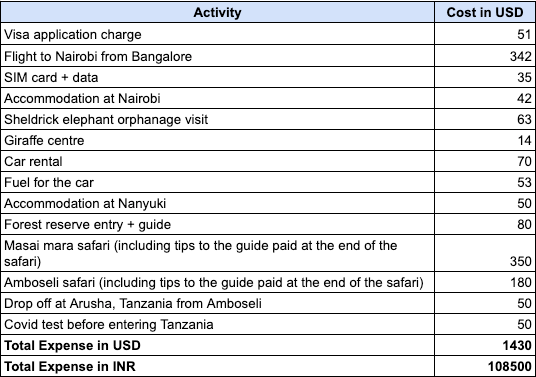
*The cost for accommodation, rental car, forest reserve entry are the actual costs, this was later split between my friend and me. All other items are per person expenditures.

The flight ticket from Kenya back to India has not been added to the list because I continued my journey to Tanzania from Kenya. But it should cost you around $350.

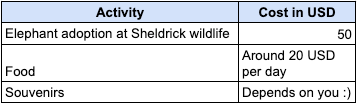
Additional expenses
Gandikota – before it becomes touristy

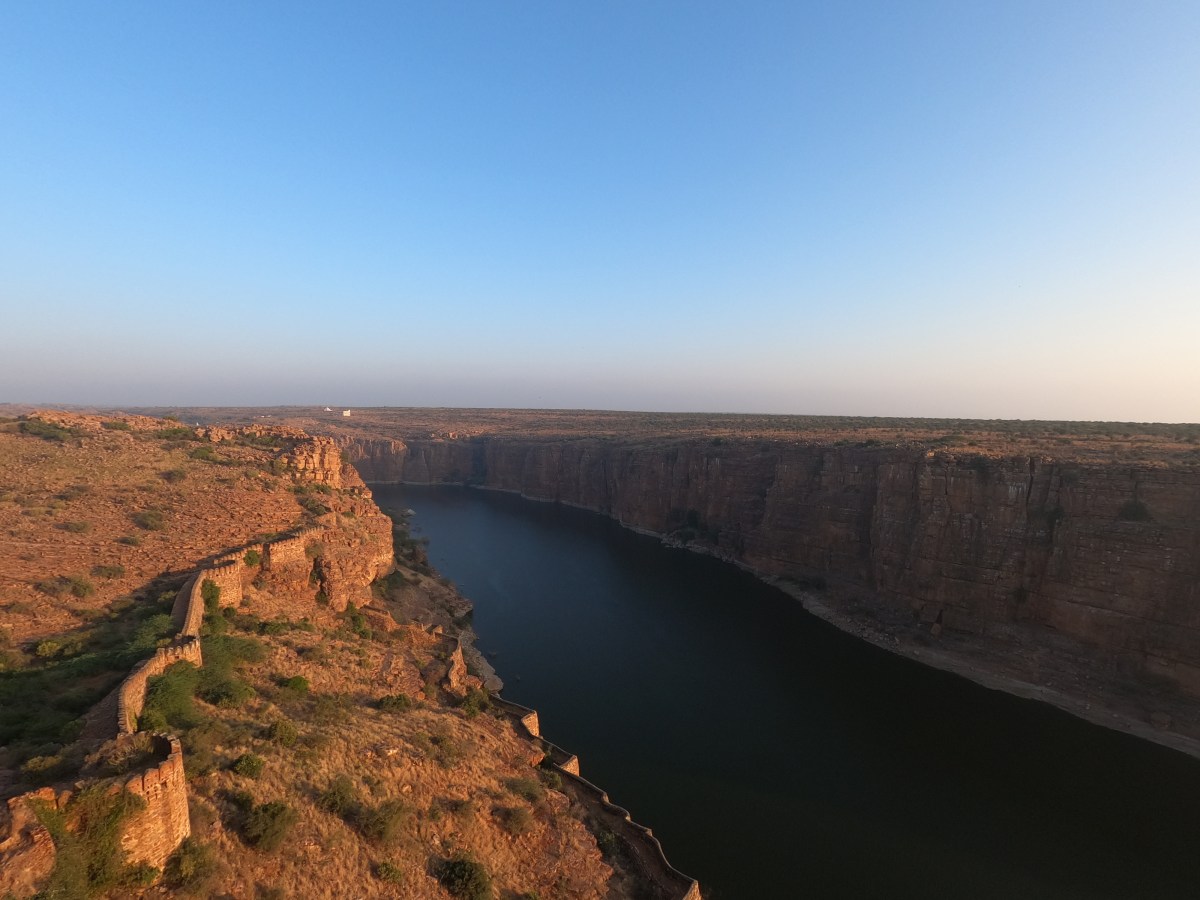
Gandikota is a small village on the banks of river Pennar and is rightly called the grand canyon of India. It features a big, beautiful fort that was first built almost a thousand years ago and re-fashioned multiple times in the following years by various rulers who captured and ruled the area for years. I knew I had to go to Gandikota the moment I saw a picture of the gorgeous gorge featuring river Pennar and the Erramala hills of the Deccan plateau on some website and I knew I had to visit before it becomes a big tourist hub with the ropeway project the Andhra Pradesh government plans to initiate.

How to reach Gandikota from Chennai?

By road: 

The driving route from Chennai to Gandikota is pretty straight forward:
Chennai – Tirupati – Rajampet – Gandikota.
Find the Google maps route here.

By train:

The railway station closest to Gandikota is Kondapuram which is only around 10 kilometres away. A train runs between Chennai Central to Kondapuram twice a day and takes less than 7 hours. From Kondapuram you can get a taxi to Gandikota.
Link to irctc.

By bus:

The bus from Chennai to Jammalamadugu takes around 10 hours. You could take a taxi from Jammalamadugu to Gandikota, the distance between the two places is around 15 kilometres.
Link to Redbus.

How we reached Gandikota

From Chennai, where I was to join my friend, Gandikota is a 7-hour drive (~400 km) or an 8-10 hour bus or train ride involving a change of transport multiple times. Reaching Chennai involved a 14-hour bus ride for me. Also, there were no public transport available from Chennai to Gandikota at a convenient timing. So we decided not to take another long ride on public transport to Gandikota. Both my friend and I did not have a car. So we decided we’d rent a car and drive down to Gandikota. In order to reduce the per head expense, we had to look for more people who wanted to visit Gandikota on the same weekend. We created a trip on Couchsurfing and two awesome people who were interested in the idea contacted us. As luck would have it, one of them even had a car. Both were not fussy about meager things and were very flexible with the plan and timings, this worked out in our favor as we are not the people you would call “organized”. So as soon as I reached Chennai, we met our two new stranger friends and started the drive.  

The drive:

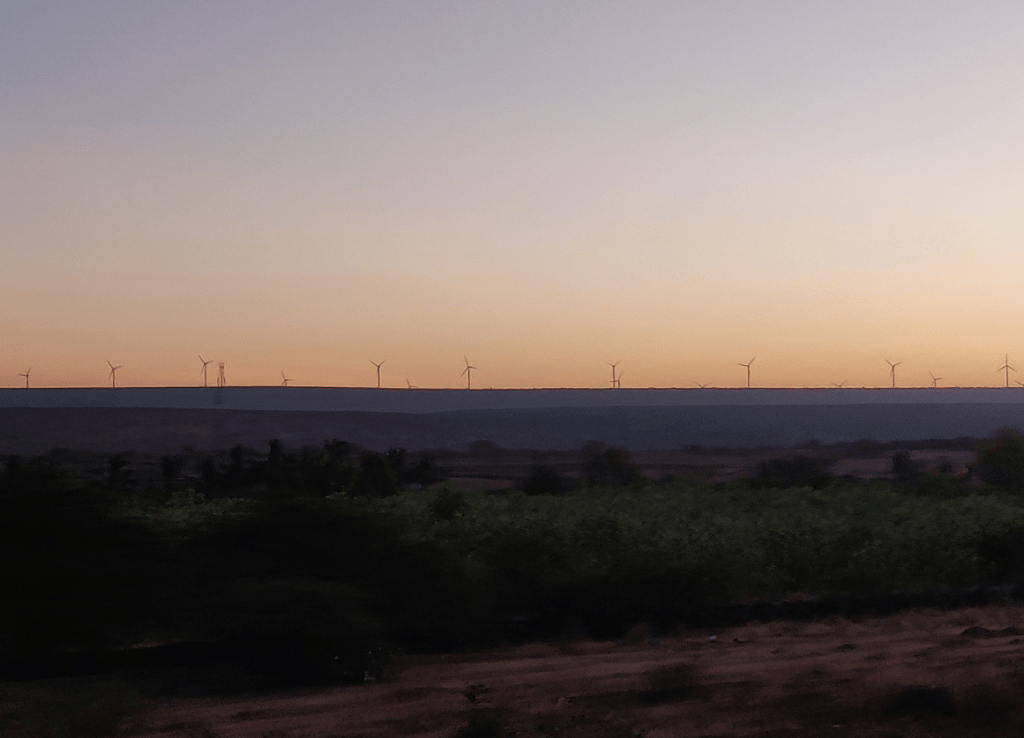
We started at around 11.30 AM from the SBOA school junction in a Baleno and filled fuel in the tank on the way. We made exactly 2 stops after this. One – at another fuel pump to use the restroom, two – for lunch at a restaurant just after we crossed Tirupati. Our entertainment for the 7-hour drive consisted mainly of getting to know each other, reproving my new friend for littering the road, discussing politics and stand up comedians among others. The roads are really good for most of the route. It got even more interesting when we started spotting some really beautiful hills on the road. As we were approaching closer to our destination, we saw a distant hill with many windmills and the sun setting in the background – spellbound!

Windmills with sunset in the background (Well, the sun had already set by the time I clicked the picture)

There is absolutely nothing on both sides of the road – no hotels/ stores – just drylands with some agriculture here and there, so it is best you carry your essential supply of food and beverages. This beautiful and sparse road led us straight to the fort, but our priority for the day after so much traveling was to get some rest.

Accommodation:

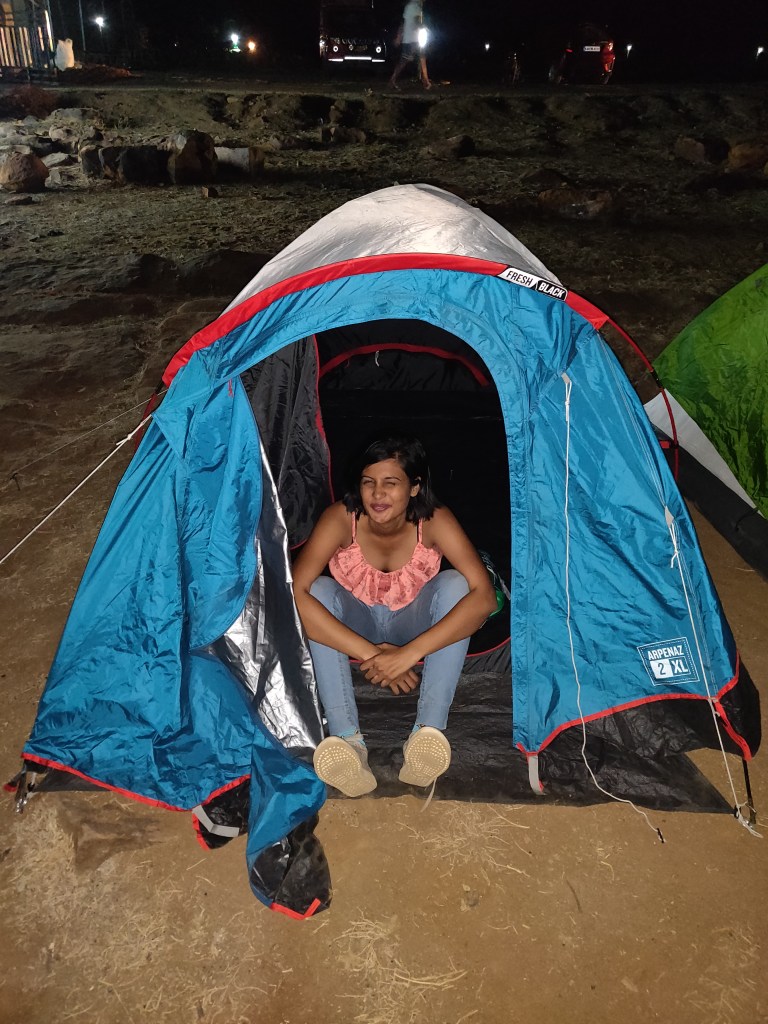
My friend and I have recently developed this habit of traveling with our tent and sleeping bags, so our stay was sorted. In the case of our new friends, we had found the contact of a person who arranged tents for 800 INR per night for a tent. Right next to the place we were asked to pitch tents, we also saw a property of the Andhra Pradesh government which had somewhat posh tents. On the way to the fort, we also saw a lodging facility named Haritha hotel run by the Andhra Pradesh tourism department.

We finally, successfully pitched our tent on the hard surface after so much struggle (with some help of course)

We visited on a long weekend, hence the place where we pitched our tents was very much crowded. This was on the banks of river Pennar and the night did not provide any great view. We were slightly disappointed with the stay. The person who arranged the tent also arranged dinner for us for INR 200 per person – roti, sabzi, and chicken curry. Later we talked about astronomy for some time while star-gazing. The night sky was clear and filled with stars (difficult to view from cities due to light pollution), so we always make sure not to miss any opportunity to stargaze. Just when we were about to sleep, the people staying in adjacent tents started getting drunk, screaming; I couldn’t sleep until they fell asleep around 4 AM.

Places to visit

We woke up early the next morning and were absolutely stunned to see the majestic river facing which we had pitched our tent. We then headed out to visit the fort and drove down the car as close to the fort as possible. I will try to describe the remains we saw, in the same order as we visited.

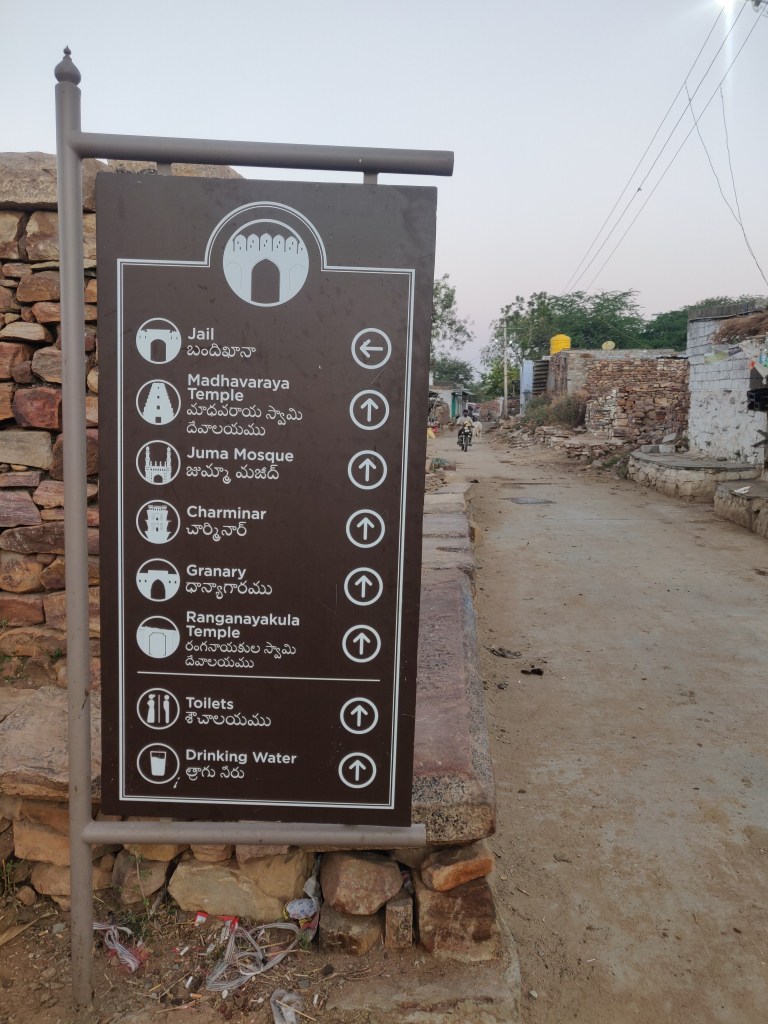
Sign board right next to the watch tower

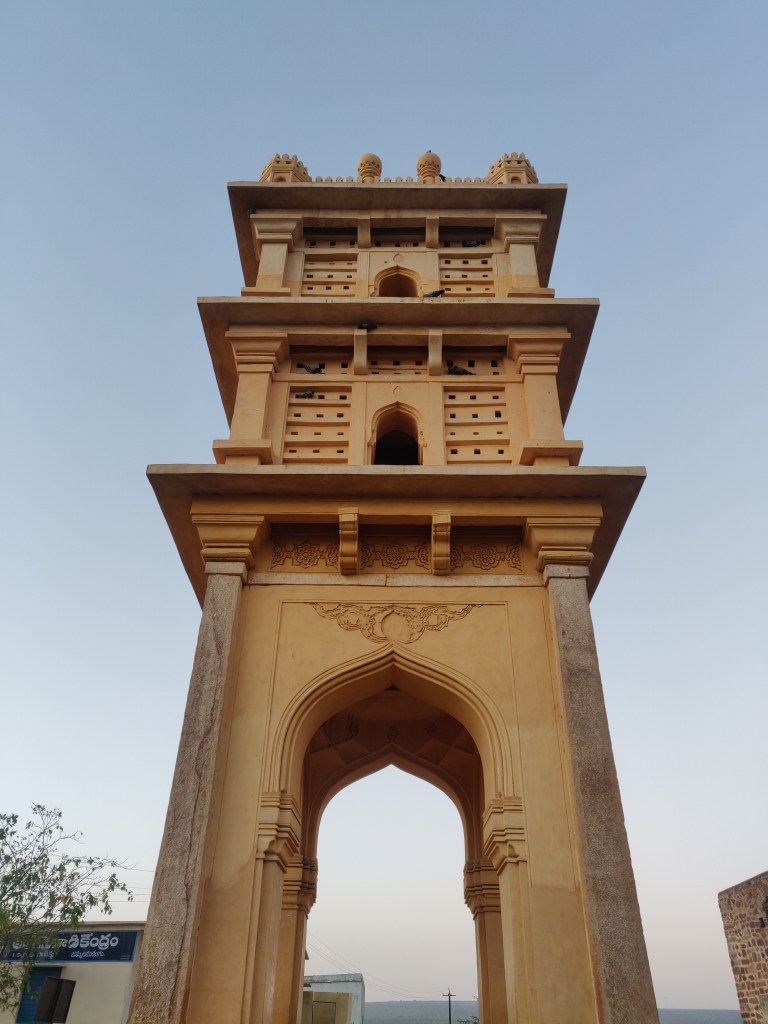
We parked the car right next to the watchtower and then as we stepped out, we found the jail, we just entered and the stench threw us out soon.

Pigeons adorning the watch tower (zoom in to spot the pigeons)

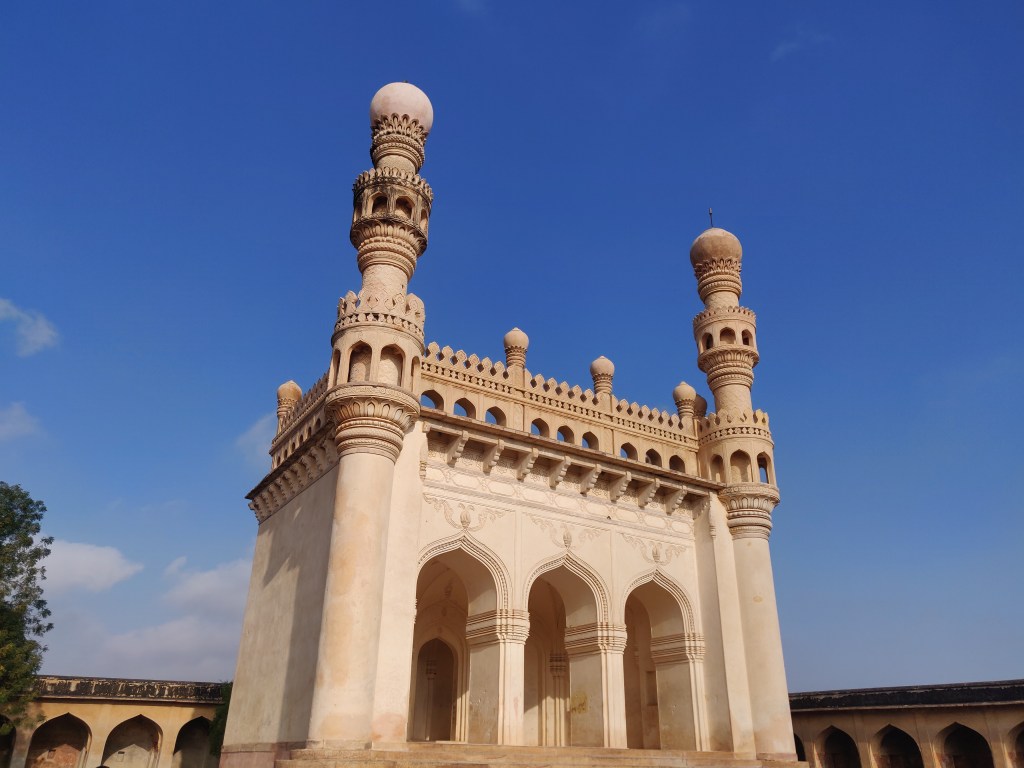
We continued walking to find the Jamia Masjid – a splendid structure. Right next to this is a granary, earlier used to store grains and food.

The Jamia Masjid

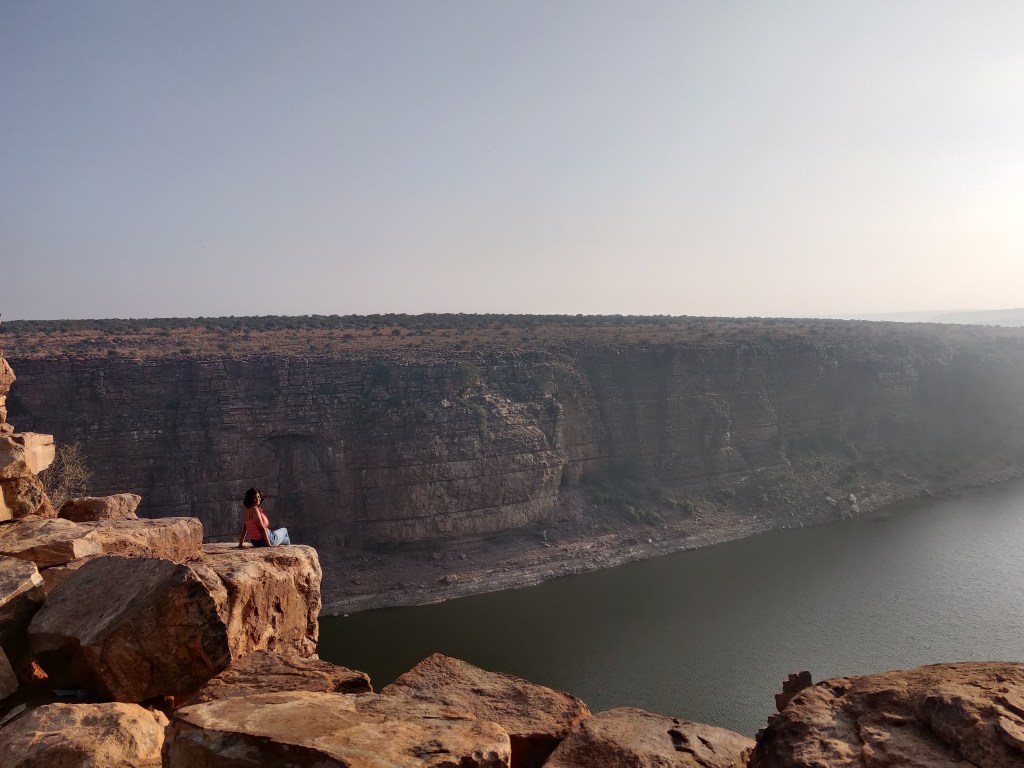
We walked past this and the Ranganathaswamy temple caught our eyes, but we decided to walk away for now as the excitement to get a glimpse of the gorge was quite hard to contain. We walked past and up the boulders to see the spectacular valley – as beautiful as it looked in the pictures I saw, the river mighty and full, forming gorges on the hills in between which it flows.

River Pennar

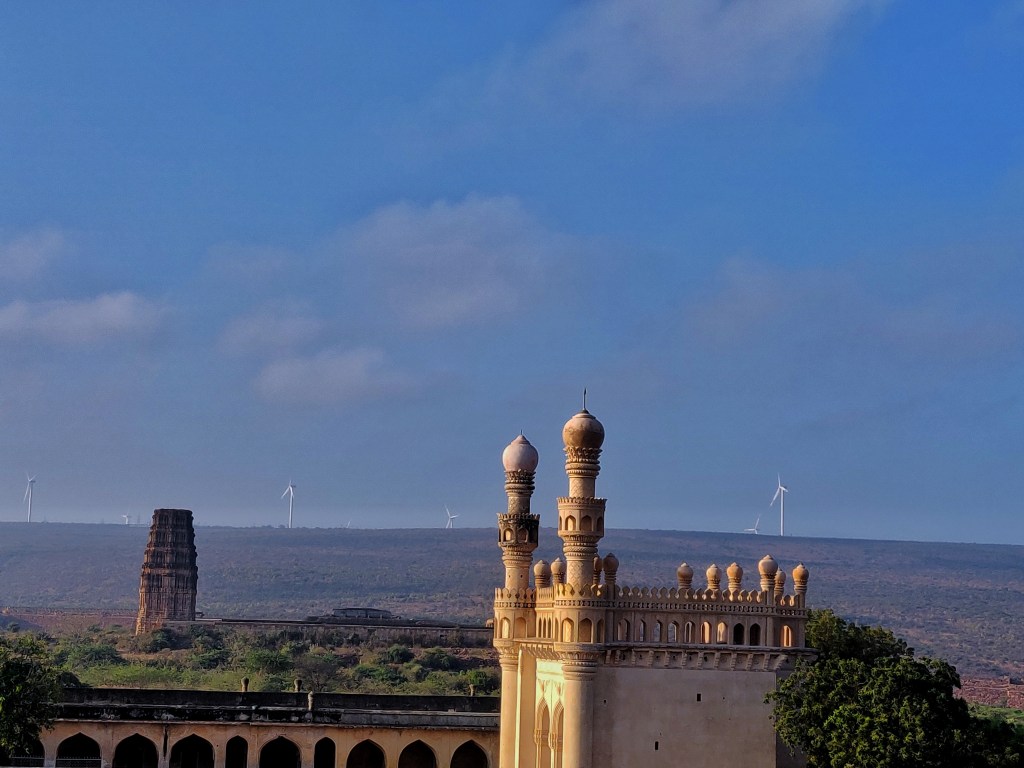
After spending some time allowing the feeling to soak in and taking pictures, we walked to the Ranganathaswamy temple. This temple had no deity – like most other Hindu temples that were looted during the invasion. The locals had arranged tents in this temple for the visitors to stay; we did not enquire how much they charged. This temple offered us a view of the pillars of the Jamia Masjid, the gopuram of Madhavaraya temple, and the windmills on the hills at a distance. 2 religions and a bit of science in 1 frame 😀

2 religions and a bit of science in 1 frame 😀

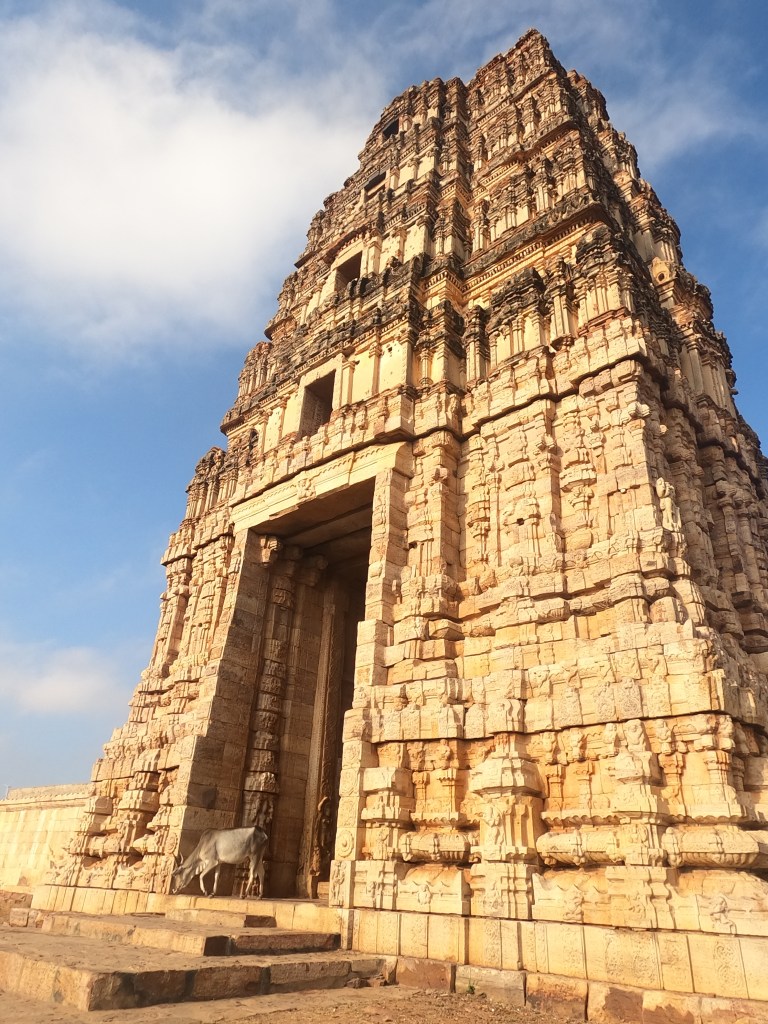
We then walked to the Madhavaraya temple. A huge gopuram at the temple gate welcomed us. By now the sun was completely out and it started to get scorching hot. We went around the temple,  carved beautifully out of rocks, trying to analyze and discuss the architecture that none of us had a clue about. 

The gopuram at the entrance of Madhavaraya temple

After these, we decided to take a stroll on the trails around the temple. The trails were deserted and we only found a couple of people watering the lemon plantations. We walked without a destination, not knowing what was ahead, but we knew that we would somehow end up on the banks of the river, and so we did! After that useless but satisfying stroll, we got onto the car, drove back to the tents, packed, and left for Belgaum caves. 

A tourist in Istanbul

Having served as an imperial capital for centuries, Istanbul is well connected via road and air to the world. The city itself has great infrastructure, making it easy for visitors to commute to tourist spots via public transport – buses, metros and trams. 

What we loved about Istanbul is its energy – great vibes, welcoming people, delicious food. It boasts some of the most beautiful mosques and churches. 

What we did in Istanbul

We reached Istanbul on a Saturday afternoon. After collecting our checked in rucksacks, we enquired about bus services to Taksim square, from where our hostel was at a walking distance. We were directed downstairs for the bus stand. We got our Istanbulkart from the airport itself and loaded it with 50TLs, which included the card cost of 5TL. Istanbulkart comes in handy and is very convenient for anyone traveling around Istanbul. It is like an ordinary metro-card, used for all forms of commutation around Istanbul – metro, trams and buses. We took just one card for all 3 of us together (that’s all you require) and reloaded it as and when necessary.

SIM and data

We had pre-booked our accommodation in Ariya hostel for a night. After checking into the hostel and freshening up, we went to a conveyance store to buy a local sim for my friend; this cost us around 70 TL. I had activated the international roaming plan and made use of WiFi at public places and hostels, so did not buy one for myself.

Ferry ride in Bosphorus strait

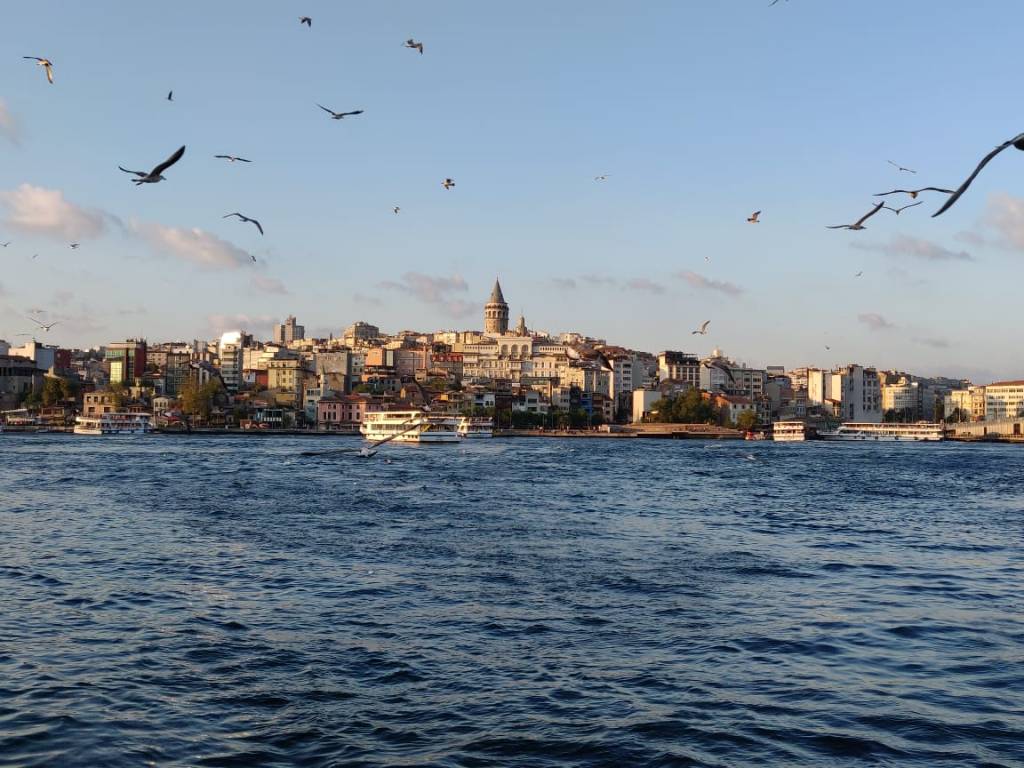
Late that afternoon, we headed to take the ferry ride in Bosphorus strait. To reach there, we took a bus to Eminonu and paid using our Istanbulkart. If you have done some amount of research so far, you’d know that Bosphorus strait is a small strait that separates Asia and Europe. So, when you take this ferry ride, you will be right in between both these continents.The ferry ride lasts for at least 1.5 hours (we got bored after a while because the scenery outside is kind of monotonous – the water body and shores filled with buildings) and cost us 25TL per person. You will find a lot of seagulls on your ride – you can click some amazing pictures. 

Enjoying a ferry ride on the Bosphorus strait – seagulls flocking is a sight to watch

Spice bazaar

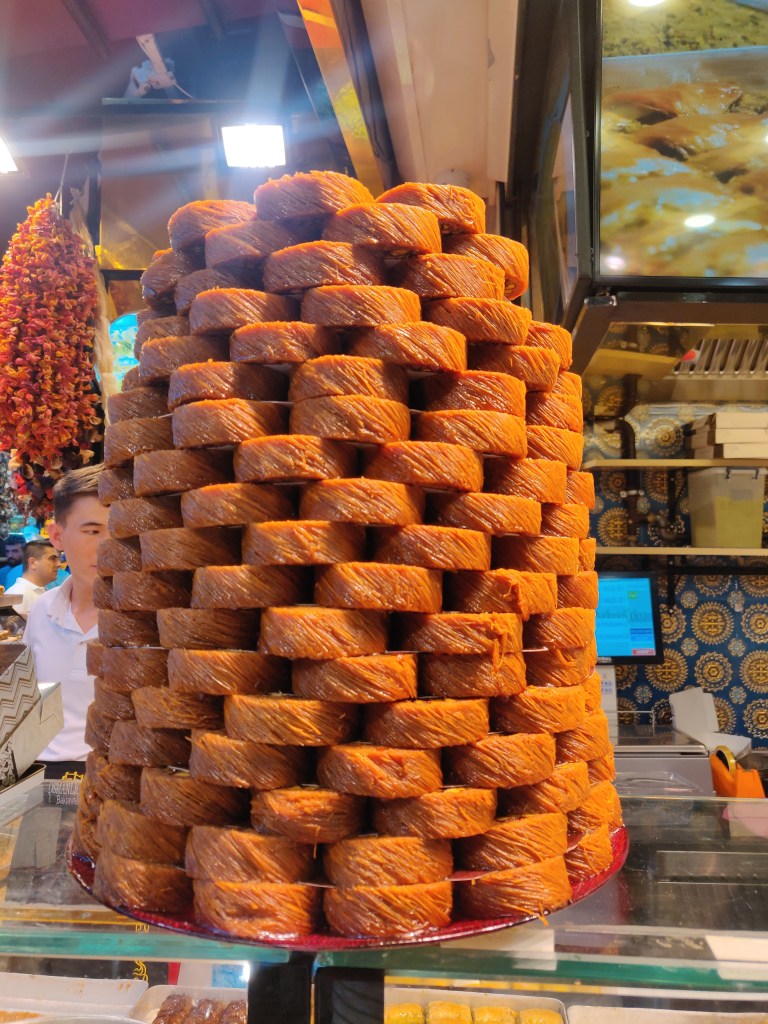
Post this ride, we hit the spice bazaar which was right across the street from the ferry ride entrance. It was here that we had our first encounter with Baklava – the very famous Turkish sweet. There were so many varieties of Baklava in the shops, and having read so much about it online, we had to try it immediately. We tried 2 of them and it cost us 7 TL. I must admit, I did not fall in love with it in the first bite, or the next, it was too sweet for me. Then we walked the lanes of spice bazaar the entire evening and walked long enough to reach the entrance of the Grand Bazaar and found it closed because, well it closes at 6 PM. We loved the energetic vibe around this place.

Baklava – Turkish dessert

After quite a tiring day, we decided to enjoy the night-life in Istanbul, but unfortunately, we were at the wrong place, the realization came much later. We found so many beautiful hookah bars, but not alcohol.We finally found some alcohol in a bar called the Irish pub. 

City tour

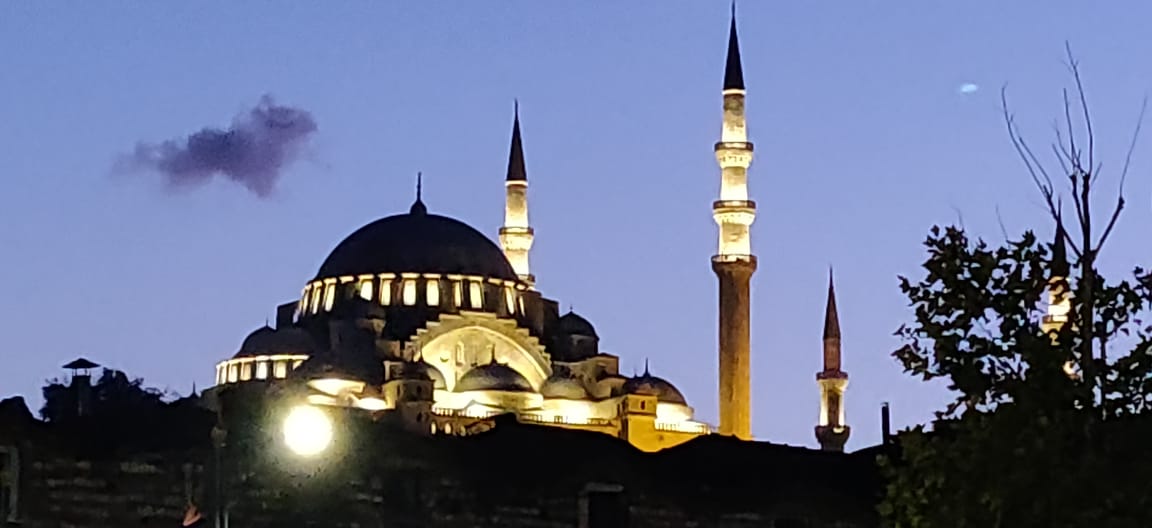
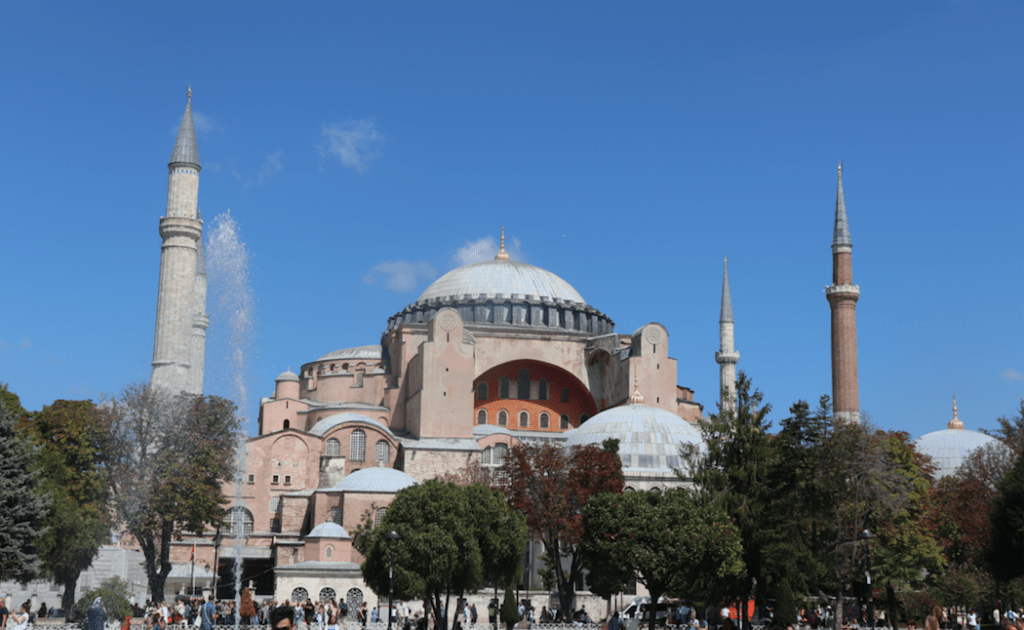
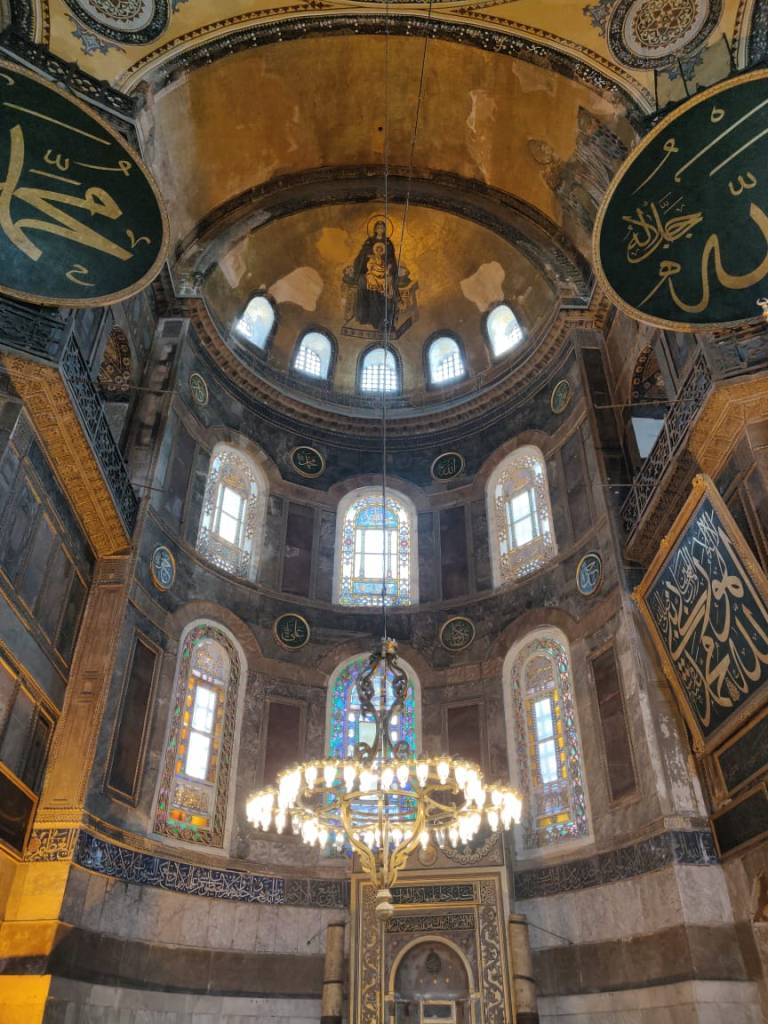
The next day, we wanted to leave Istanbul for Ankara. So after packing our bags and leaving it at the reception, we left to explore the city doing some touristy stuff. We had one friend named Abdul from the hostel join us for the day. We headed straight to the premises of Hagia Sophia and had our breakfast in a restaurant there. After breakfast, we took tickets to visit Haga Sophia, an architectural marvel, which was once a church, converted to a mosque and is currently a museum. Then we headed to a mosque, which we later learned was ‘Blue Mosque’. It was huge and had beautiful interiors.

View of Haga Sophia from the outside
Once a church (notice Mother Mary with Jesus), then a mosque (notice Urdu words), now a museum.

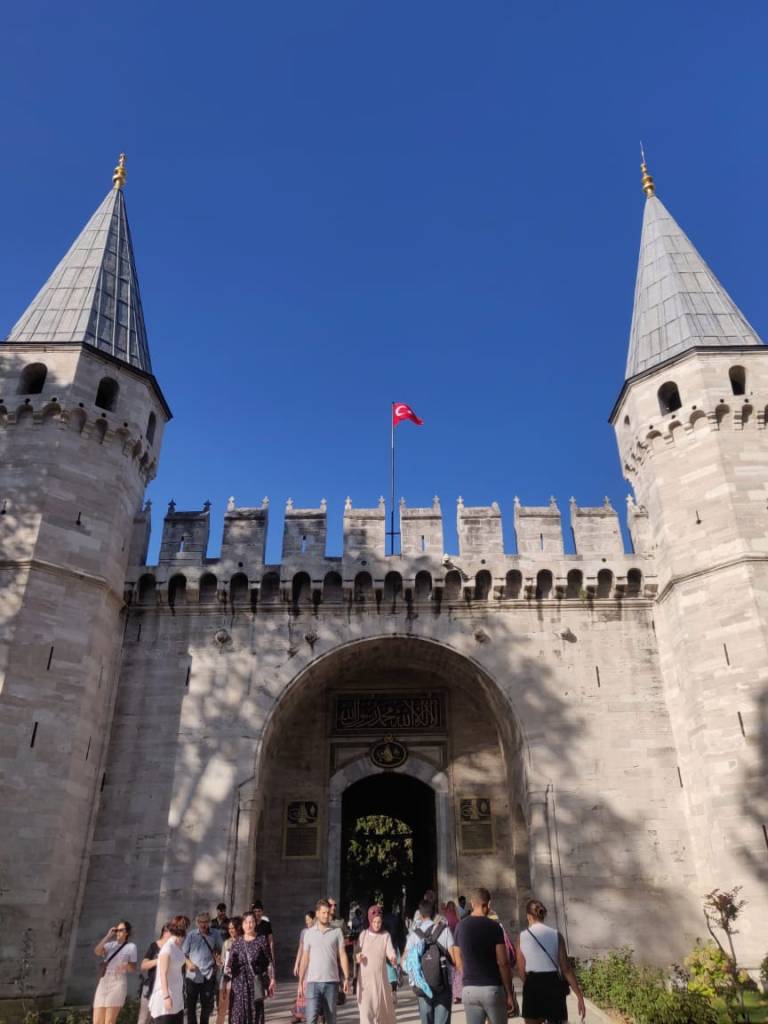
Later, we walked to Topkapi Palace. Topkapi Palace is so huge that covering the entire palace left us tired. The palace offers a very pretty view of the Bosphorus strait and of the Bosphorus bridge connecting Asian and European parts of Turkey.

Entrance to Topkapi palace

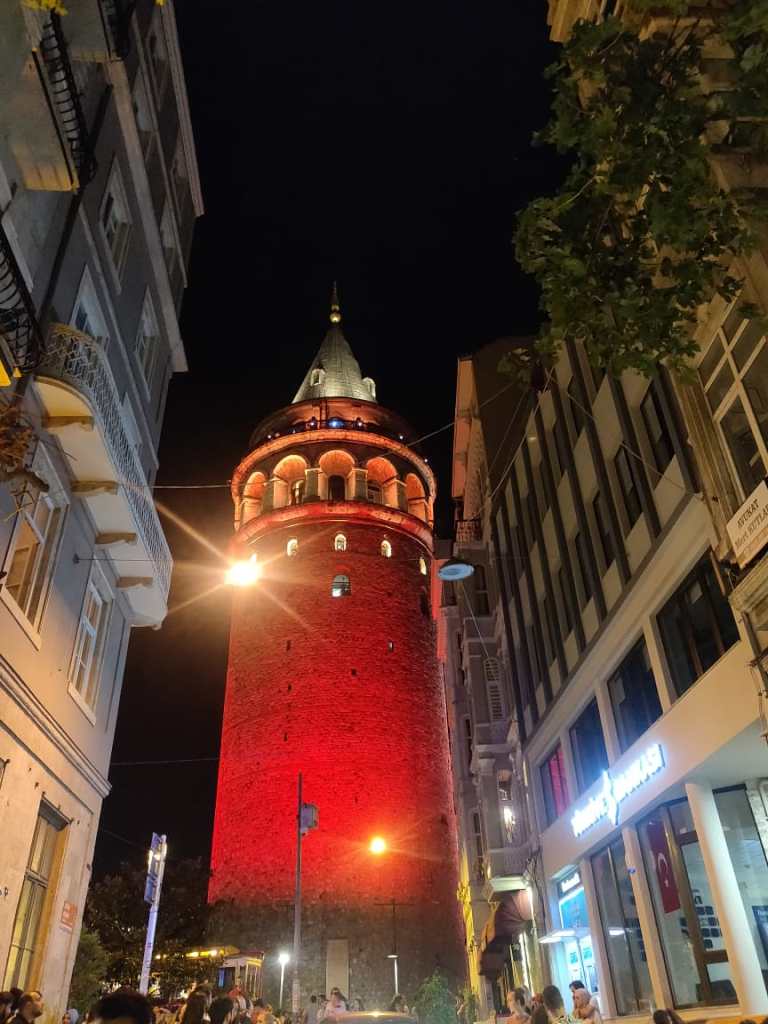
We then walked the streets of Istanbul and accidentally discovered the Galata tower, it was the best part of Istanbul. I fell in love with Istanbul for the first time then. Not just the tower, the streets leading to the tower, the small shops selling the prettiest of souvenirs along the sides of these streets, the pretty restaurants and of course the very beautifully lit Galata tower – were all worthy of falling in love with. We wanted to come back just to walk these streets again. 

Galata tower – love at first sight

I did not want to leave Istanbul that day, but we had to, because we definitely did not want to miss out on the other places on the list. We anyway had our flight back to India from Istanbul, and we had a day in Istanbul before our flight. So we went back to the hostel, picked our bags, waved good-bye to the amazing hostel caretakers – one of whom was jailed in Nepal for possessing 6 passports with him, (and boy, did he seem to enjoy it!), clicked some great pictures, promised to post good reviews and took a bus to Esenler bus terminal.

Intercity commute

There were many bus operators, so each of us took a different section and started looking for buses. We checked for the cheapest option and got tickets in KamilKoch travels. Cheap tickets come with a cost, eh? We were about to start when the lady next to my friend had a problem sitting next to a guy. And I was FORCED to shift next to her. 

When you are taking buses to a different city, you don’t have to worry much about the journey, except that the people are pretty conservative, so if you travel with a male friend, there are chances that they will move the two of you to different seats so that other single passengers find someone of the same gender to sit with. Otherwise, there was not much trouble, the rest stops had food and clean washrooms. 

Last day in Istanbul

We came back to Istanbul after the rest of our Turkey trip. We reached at around 8AM on a Monday morning and booked our stay in a hotel. We had one full day as our flight back to Mumbai was not until 3 PM the next day. Our agenda was clear – 

  1. Shop – We had not shopped much until then because we did not want to carry stuff around. 
  2. Eat – It was our last day in Turkey, so we wanted to make sure we tried as many varieties of Turkish dishes as possible. 
  3. Turkish Hamam – We had read a lot about Hamams, so we wanted to give this a shot.
  4. Visit Galata tower. Again. We had fallen in love with the place, so wanted to go back again and grab some drinks before we left Istanbul.

Turkish Hamam

Gearing up for Hamam

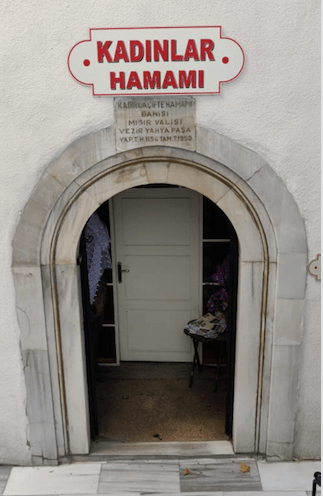
After some rest and a good lunch, we walked to ‘Kadinlar Hamami’ for Hamam, which is a place for public bathing. Men and women were taken to different areas. We were given individual rooms to remove and store our clothes and other stuff. Multiple women are taken inside and given baths simultaneously by trained attendants. The bath includes being seated in a warm humid room for a while followed by scrubbing, massaging and washing of your body by the attendants. It was slightly weird for me as there were so many almost naked women around, but it was over quickly.

Relieved, we took a walk across the Bosphorus strait bridge from Asia to Europe. Then we headed to Galata tower, where we went to a couple of bars before settling down at one for the night. After a couple of drinks and spending some good time there, we took a cab back to our hotel.

Souvenirs

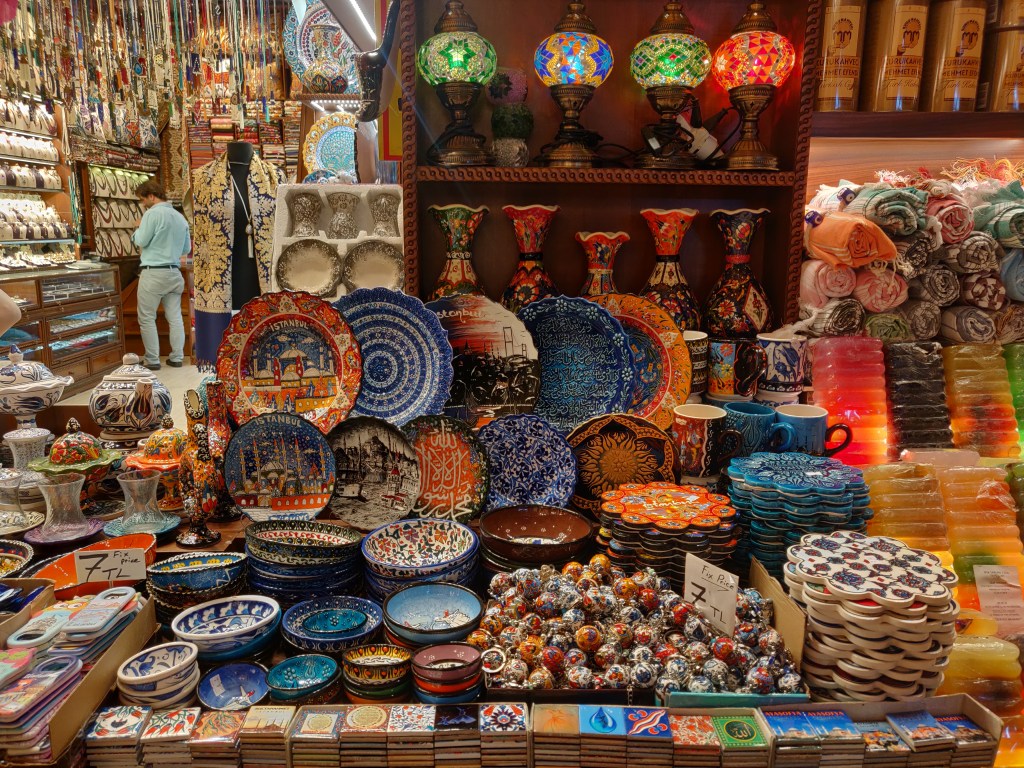
The next morning was reserved for shopping. We spent the entire day in Grand bazaar. God! is there anything you do not find there? We walked a lot, bought a lot of things. I’ll list down a few souvenirs you could buy from Istanbul:

Stalls in Grand bazaar
  1. Turkish lanterns – they are so pretty and a must buy. But be sure to get them packed really well.They are available in a lot of price ranges, we bought a couple of cheap ones that cost us around 60TL per piece.
  2. Crockery – very beautiful hand painted or printed bowls and plates. Make sure you ask them if they are food-safe in case you intend to use them in the kitchen
  3. Fridge magnets. You find pretty fridge magnets everywhere in Istanbul – Grand bazaar, streets near Galata tower, near Haga Sophia, etc.
  4. Shot glasses – we buy them wherever we go.
  5. Carpets in all shapes and sizes. My friend bought a reasonably priced carpet from Grand bazaar.
  6. Turkish chai powder in multiple flavours. Some come along with beautiful chai glasses and spoons. We bought them from Grand bazaar.
  7. Yeni Raki. We got 2 bottles of these from the Istanbul airport.

Read the next post to know what Ankara had in store for us.

Design a site like this with WordPress.com
Get started